If you want a place that makes daily life feel a little more interesting without giving up access to Washington, D.C., Hyattsville deserves a closer look. You may be searching for a neighborhood with real personality, an easier commute, or a mix of local coffee shops, parks, and housing options that do not all look the same. The good news is that Hyattsville brings those pieces together in a way that feels practical for everyday living. Let’s dive in.
Why Hyattsville Feels Distinct
Hyattsville is an incorporated city in Prince George’s County near Washington, D.C., with an estimated 2025 population of 21,158. The city describes itself as a place of small businesses, restaurants, coffee shops, parks, trails, and art studios, which gives you a pretty accurate snapshot of daily life.
One of the biggest reasons Hyattsville stands out is its mix of energy and character. You can spend part of the day in an arts-focused commercial area, then shift into a quieter routine with parks, trails, and residential blocks nearby. That balance is a big part of the city’s appeal.
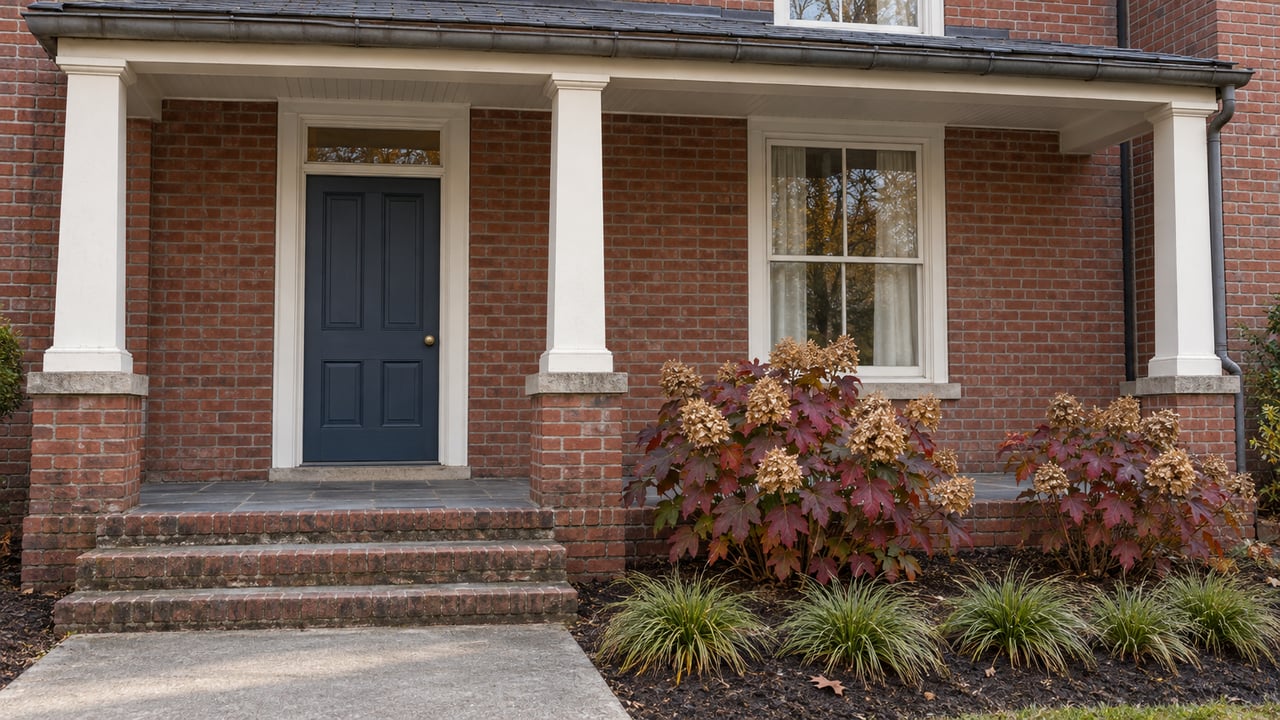
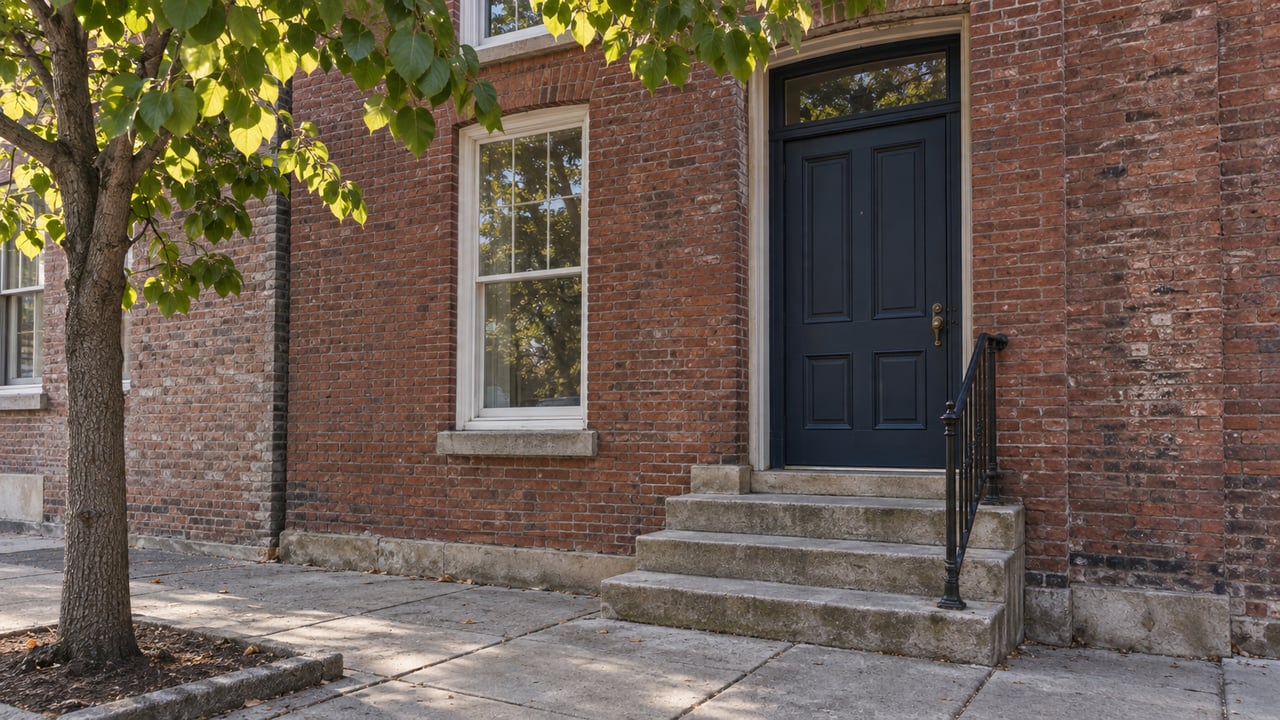
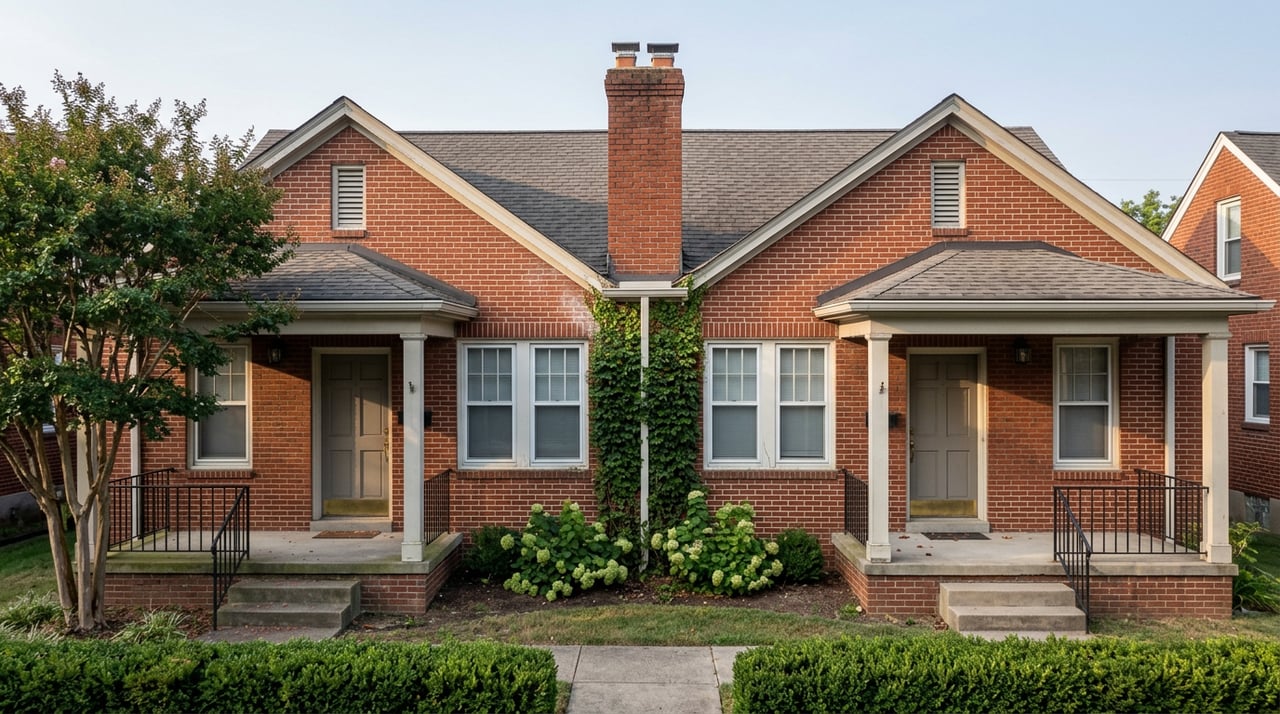
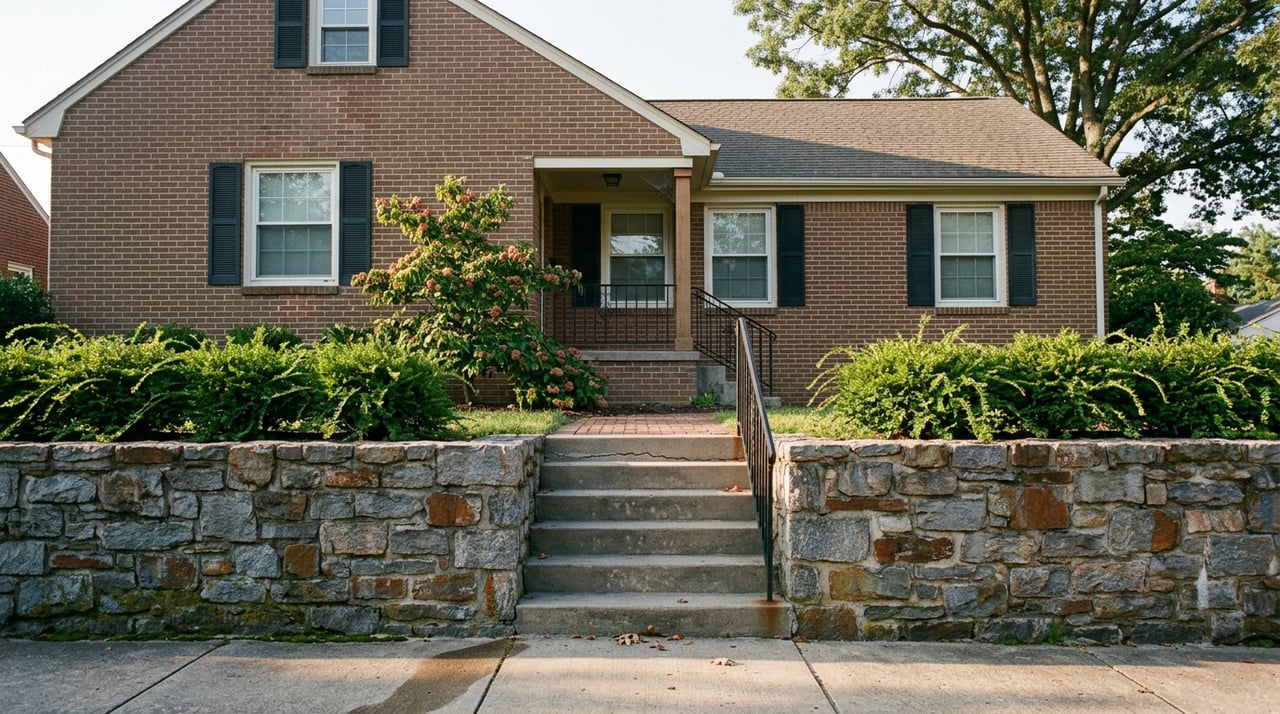
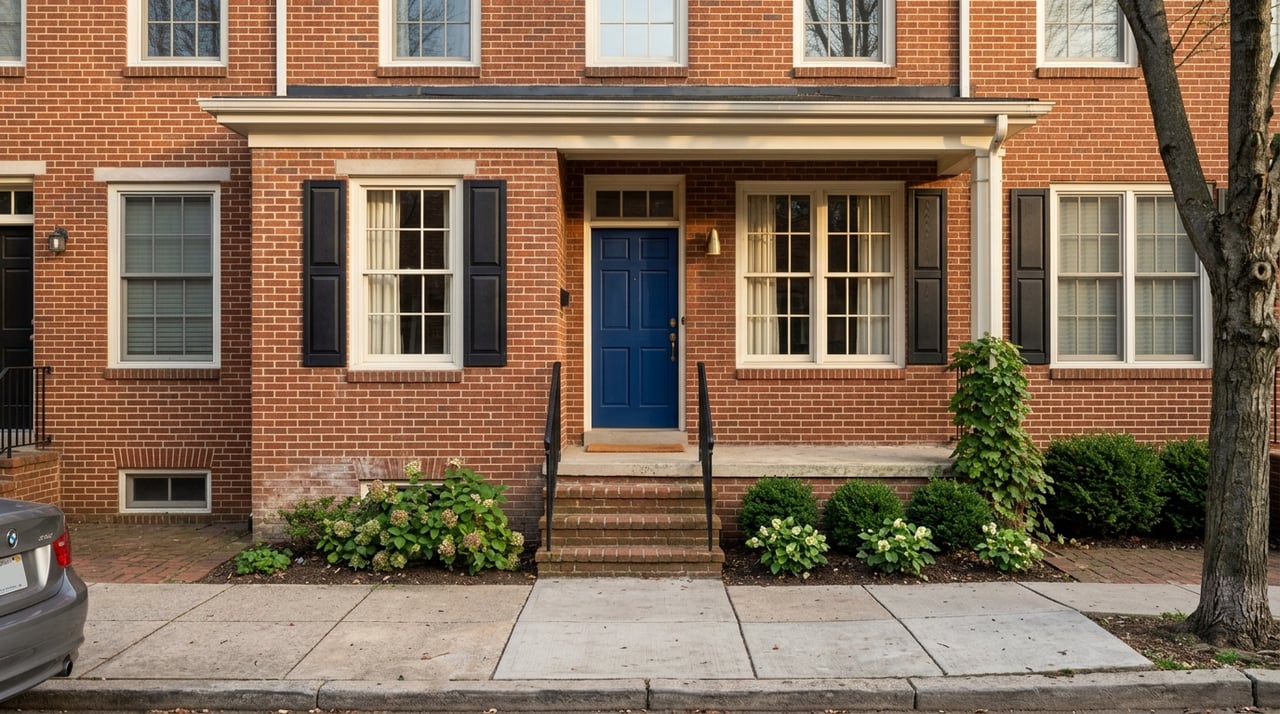
The historic core also shapes how the city looks and feels. The Hyattsville Historic District includes roughly 600 structures, with home styles that range from Italianate and Queen Anne to bungalows, duplexes, and vernacular cottages. If you like neighborhoods with visual variety, that older housing stock can feel more interesting than a one-style market.
Arts Shape Daily Life
In Hyattsville, the arts are not tucked away in one building or limited to an occasional event. They show up in murals, public art, creative businesses, and community programming that become part of your weekly routine.
The SoHy Design District is one of the clearest examples. It is known for its walkable, creative atmosphere with shops, places to eat, public art, street art, and beverage makers that give the area a lively, local feel.
Pyramid Atlantic adds another layer to the city’s identity. It supports printmaking, papermaking, book arts, exhibits, studios, workshops, and a gift shop, which helps anchor Hyattsville’s creative side in a tangible way.
The city also celebrates that identity through the annual Hyattsville Arts Festival. The event brings together live music, local art, craft brews, and food vendors, giving residents and visitors an easy way to plug into the local scene.
Cafes and Casual Spots You Can Actually Use
A neighborhood can look great on paper, but daily convenience matters. Hyattsville has a strong lineup of coffee, casual dining, and social spaces that fit into real routines, whether you are grabbing breakfast, meeting a friend, or working outside the house for an hour.
Vigilante Coffee operates a Hyattsville roastery and cafe, making it a go-to option for your regular coffee stop. It is the kind of place that supports everyday rhythm, not just weekend plans.
Franklins offers a different kind of local hangout. It combines a restaurant, brewery, general store, and ice cream shop in a historic building, which gives you multiple reasons to come back depending on the day.
Busboys and Poets adds another useful third-place option. In addition to food and drinks, the Hyattsville location hosts recurring cultural events, including weekly poetry programming, which helps make it feel like more than a standard cafe or restaurant.
If you enjoy trying local specialty spots, Hyattsville gives you range. Maryland Meadworks has a tasting room and live events in SoHy near the Northwest Branch bike trail, and Sugar Vault Desserts runs a boutique bakery in the Arts District.
Parks and Trails Support Your Routine
If outdoor access matters to you, Hyattsville makes it easier to build fresh air and movement into your week. The city’s parks and trail connections support both recreation and simple day-to-day breaks.
David C. Driskell Community Park is the city’s largest park at 32 acres. It includes a recreation center, playground, athletic fields, tennis and pickleball courts, pavilions, and walking and biking paths, so it serves a wide range of daily needs.
The park also includes the Jim Henson Courtyard, which adds a local cultural note to the space. It is the kind of detail that reinforces Hyattsville’s personality beyond basic amenities.
University Hills Duck Pond Park offers a quieter outdoor setting. It includes a scenic pond, walking path, picnic pavilion, and a trail connection to the Northwest Branch of the Anacostia River system.
The city also leans into trail-based movement. The 3.8-mile Rhode Island Avenue Trolley Trail connects Hyattsville, Riverdale, and College Park and supports walking, biking, and rolling between neighborhood hubs.
That matters if you are trying to picture how a place functions beyond the front door. In Hyattsville, trails are not just recreational features. They can also shape how you move through the area and connect to nearby destinations.
Commuting From Hyattsville to D.C.
For many buyers and movers, the commute question can make or break a location. Hyattsville’s strongest practical advantage may be its transit access.
The city sits on WMATA’s Green Line and has two stations within city limits: West Hyattsville and Hyattsville Crossing. According to city officials, those stations put some central D.C. neighborhoods within a very short rail ride.
WMATA also operates Route D34 between West Hyattsville and Metro Center. That gives you another transit option if rail is not your first choice on a given day.
There is also nearby MARC Camden Line service through College Park and Riverdale, with access to Union Station. Taken together, Metro, bus, and MARC create multiple paths into the city core.
That variety can be especially valuable if your work schedule changes, you split time between destinations, or you simply want backup options. In close-in markets, flexibility counts.
What the Housing Mix Looks Like
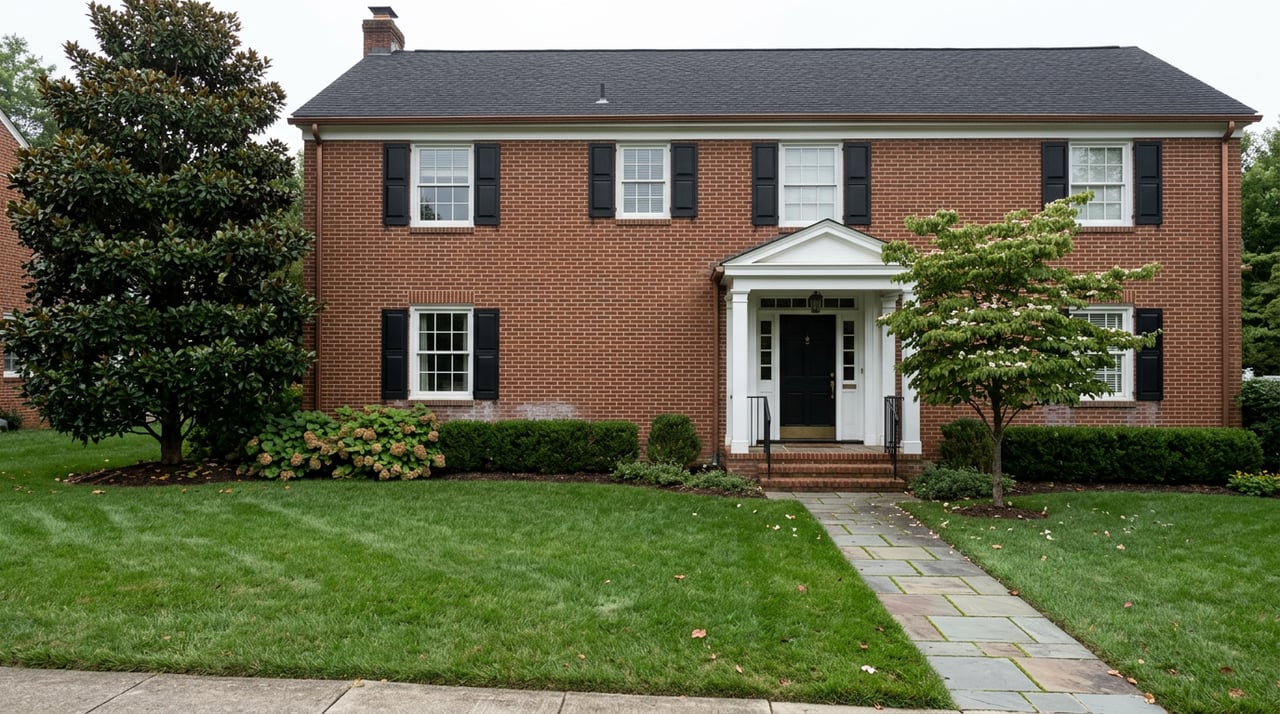
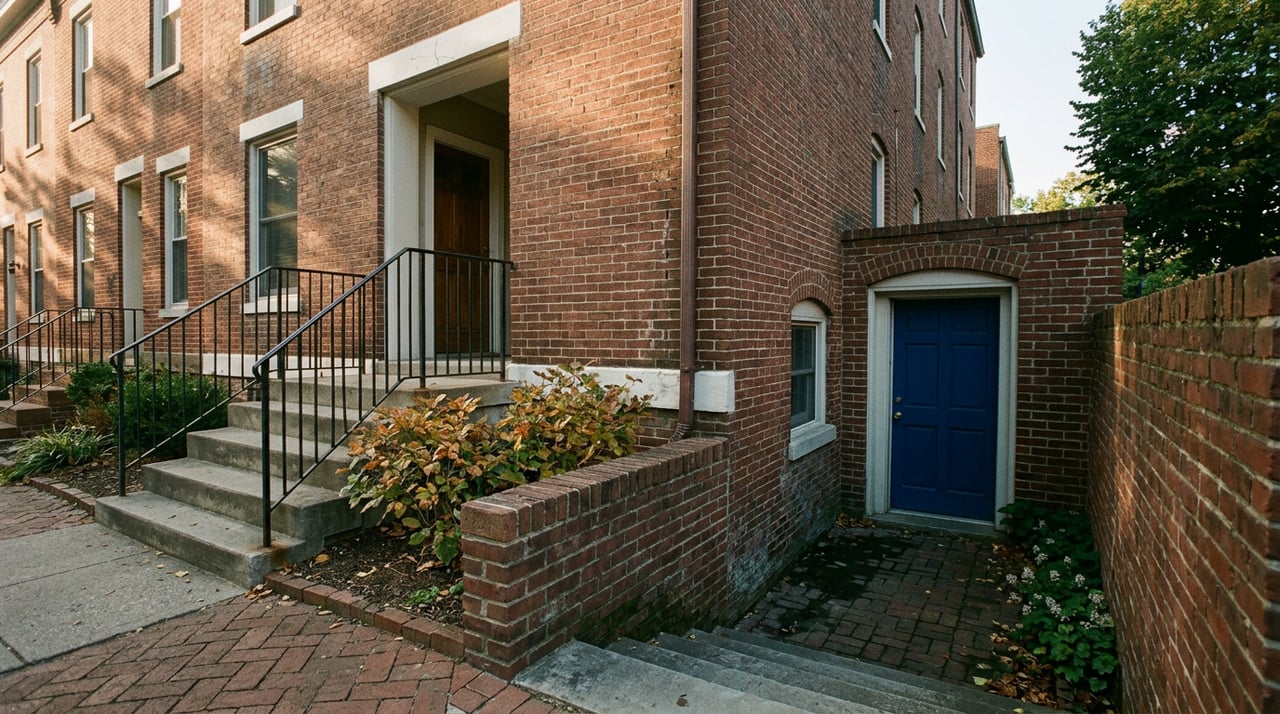
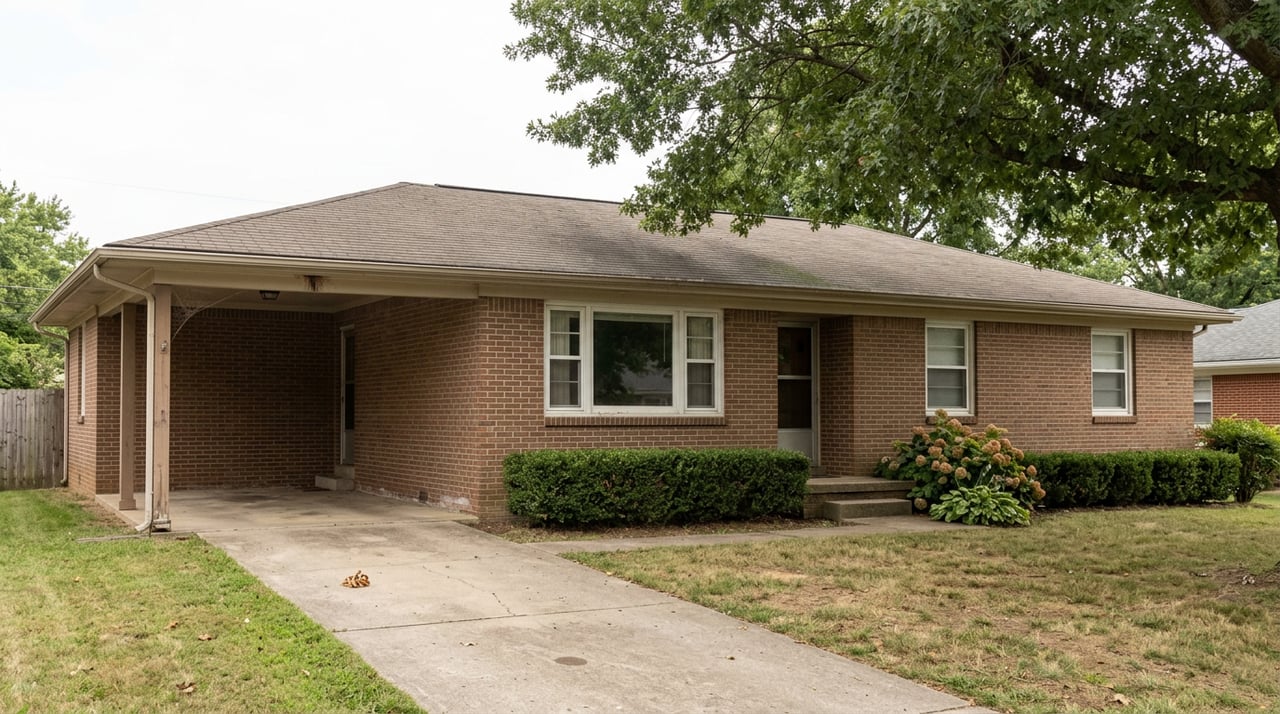
Hyattsville is not a one-note housing market, and that is part of why it appeals to different kinds of buyers. You will see a blend of older detached homes, duplexes, bungalows, cottages, and multifamily buildings rather than one dominant product type everywhere.
The city’s housing action plan says single-family detached homes make up 41 percent of the housing stock, while large multifamily buildings account for 19 percent. That mix gives buyers and renters a broader range of choices than you might expect in a smaller city.
Age is another major factor in the local housing story. About 53 percent of the housing stock was built before 1960, and about 72 percent was built before 1980.
For you, that can mean character, mature streetscapes, and more architectural variety. It can also mean you should look closely at condition, updates, and how a specific home fits your budget and long-term plans.
What Prices Suggest at a High Level
If you are trying to get a rough sense of pricing, current public metrics place Hyattsville in the roughly $400,000s to high $400,000s range. That is not the same as the price of every home, but it gives you a useful starting point.
Public data points include a March 2026 typical home value of $403,229 from Zillow, a recent three-month median sale price of $469,000 from Redfin, and a Census Bureau 2020 to 2024 median value of owner-occupied housing units at $481,500.
The city’s owner-occupied housing rate is 48.4 percent, which reinforces that Hyattsville is a mixed owner-renter market. In practical terms, you are looking at a city with both residential stability and a varied housing base.
If you are evaluating value, that mix matters. It can create opportunities for buyers who want neighborhood character and D.C. access without targeting a market that feels uniform or purely suburban.
Who Hyattsville Often Fits Best
Hyattsville can make sense for several types of movers, but it is especially appealing if you want neighborhood character tied to practical access. You may be a first-time buyer, a relocating household, or someone simply trying to be closer to D.C. without losing local identity.
It can also be a strong fit if you enjoy an active weekly routine. Coffee shops, casual dining, arts programming, parks, and trails all contribute to a lifestyle where you do not need to wait for special occasions to enjoy where you live.
From a housing perspective, buyers who appreciate older homes and mixed housing types may find more to explore here than in a newer, more uniform area. At the same time, older housing stock means it helps to have a clear strategy when comparing condition, layout, and future costs.
That is where local guidance matters. If you are weighing Hyattsville against nearby Prince George’s County or D.C. options, a strong plan can help you sort through tradeoffs without guessing.
If you are considering a move in Hyattsville or anywhere nearby, Anthony Beharry can help you think through pricing, neighborhood fit, and the right strategy for your next step.
FAQs
Is Hyattsville, Maryland walkable for everyday errands and outings?
- Parts of Hyattsville, especially the SoHy Design District, are known for a walkable, creative layout with shops, dining, and public art, and the city also emphasizes trails, bike infrastructure, and transit access.
What is the commute from Hyattsville to Washington, D.C. like?
- Hyattsville has two Green Line Metro stations within city limits, West Hyattsville and Hyattsville Crossing, plus WMATA Route D34 service and nearby MARC Camden Line access through College Park and Riverdale.
What types of homes are common in Hyattsville?
- Hyattsville has a mixed housing stock that includes single-family detached homes, duplexes, cottages, bungalows, and multifamily buildings, with many homes built before 1980.
What parks and trails can you use in Hyattsville?
- Residents can use spaces like David C. Driskell Community Park, University Hills Duck Pond Park, and the Rhode Island Avenue Trolley Trail for walking, biking, recreation, and outdoor time.
What is Hyattsville known for besides its commute?
- Hyattsville is known for its arts-forward identity, with the SoHy Design District, public art, local cafes and restaurants, Pyramid Atlantic, and events like the annual Hyattsville Arts Festival.