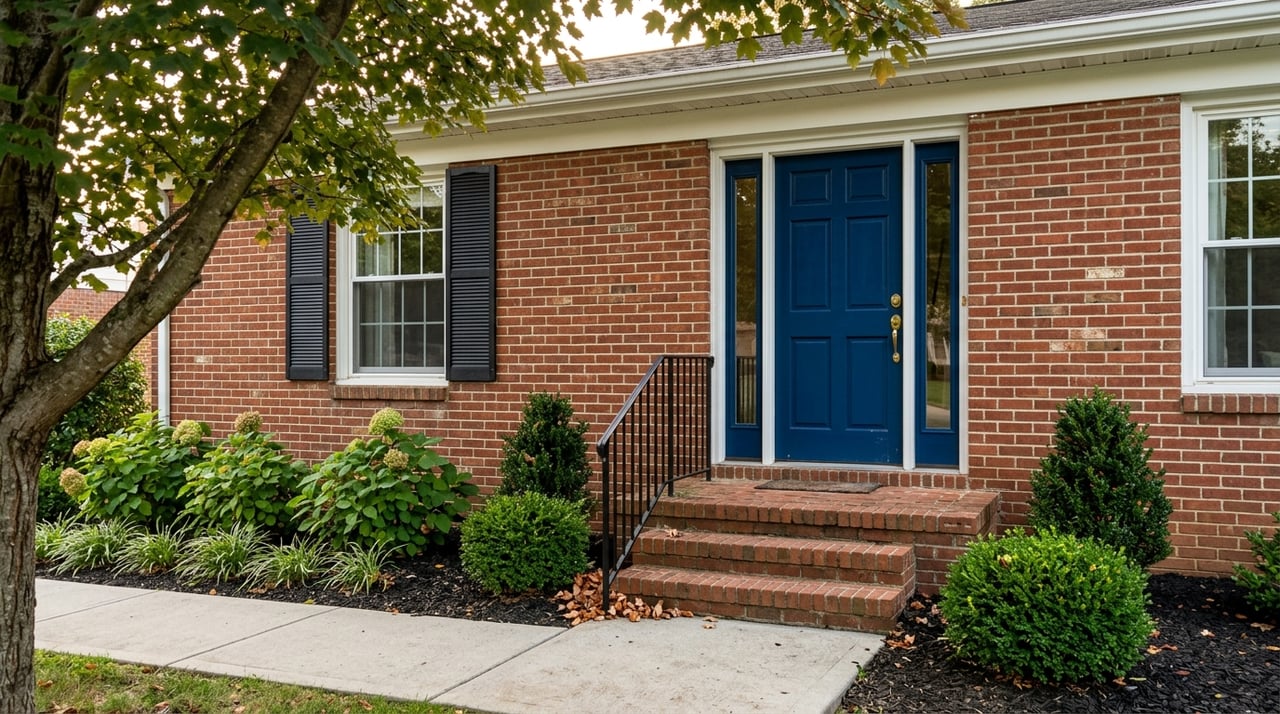
If you want more space without giving up access to the Washington area, Fort Washington is one of those places worth a closer look. It offers a quieter suburban pace, a strong ownership base, and a landscape shaped by the Potomac River instead of a dense city grid. If you are wondering whether it feels too far out, too sleepy, or just right for your next move, this guide will help you picture daily life here. Let’s dive in.
Fort Washington at a Glance
Fort Washington is about 10 miles south of Washington, DC, and recent American Community Survey estimates put the population at 25,134 across 13.8 square miles. The median age is 45.9, average household size is 3.0, and 91.3% of homes are owner-occupied. Those numbers point to an established community with many long-term homeowners.
In plain terms, Fort Washington tends to feel more settled than fast-changing. You are more likely to find residential streets, larger lots, and a suburban rhythm than a dense, apartment-heavy environment. For many buyers, that is exactly the appeal.
Housing in Fort Washington
Single-family homes define the market
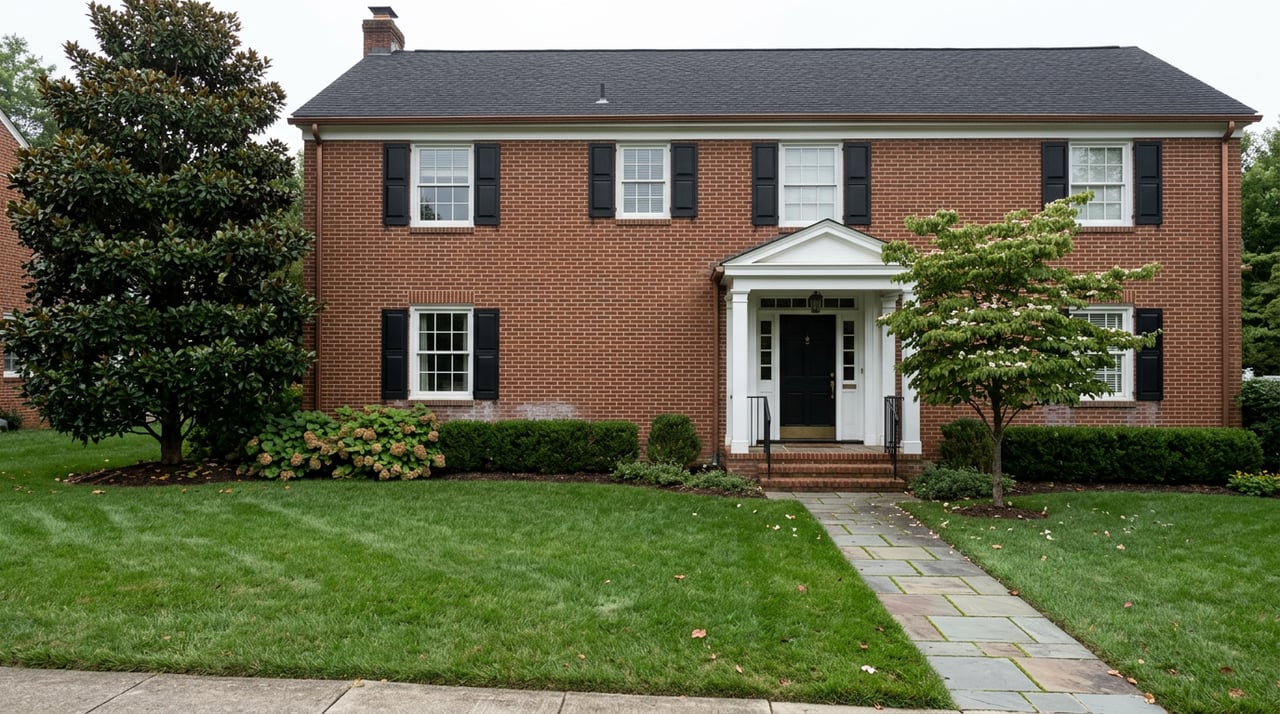
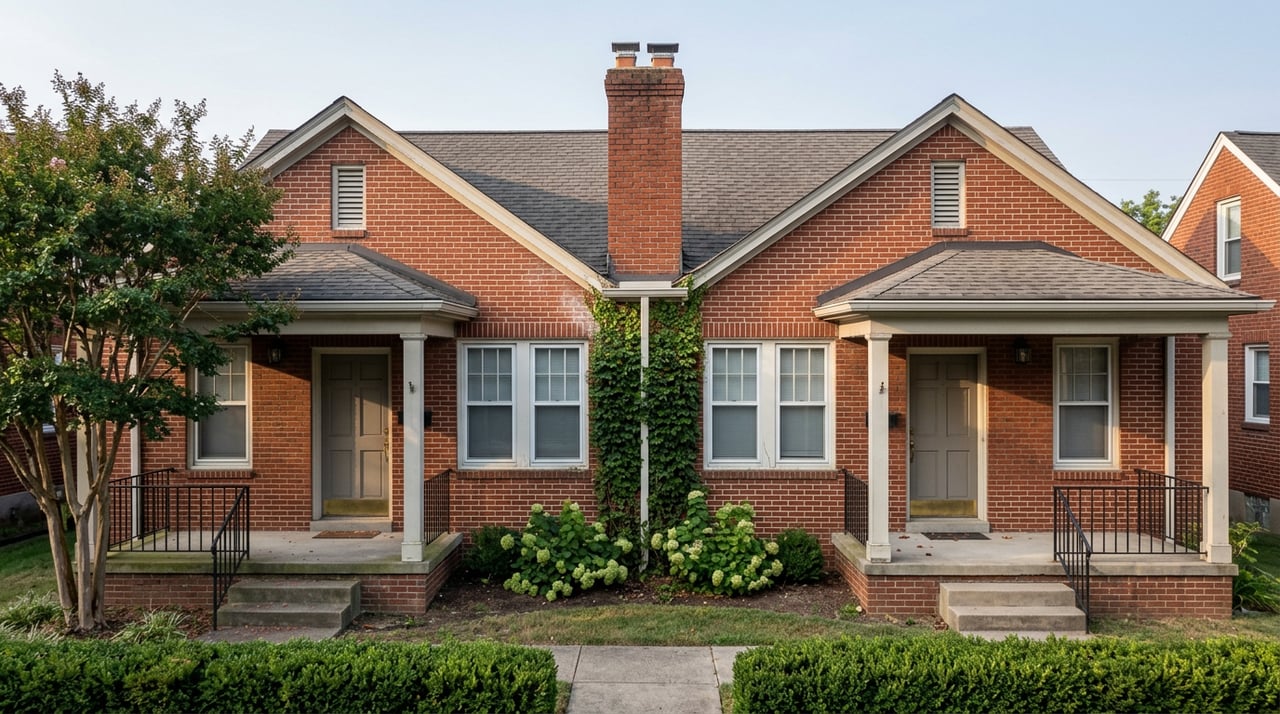
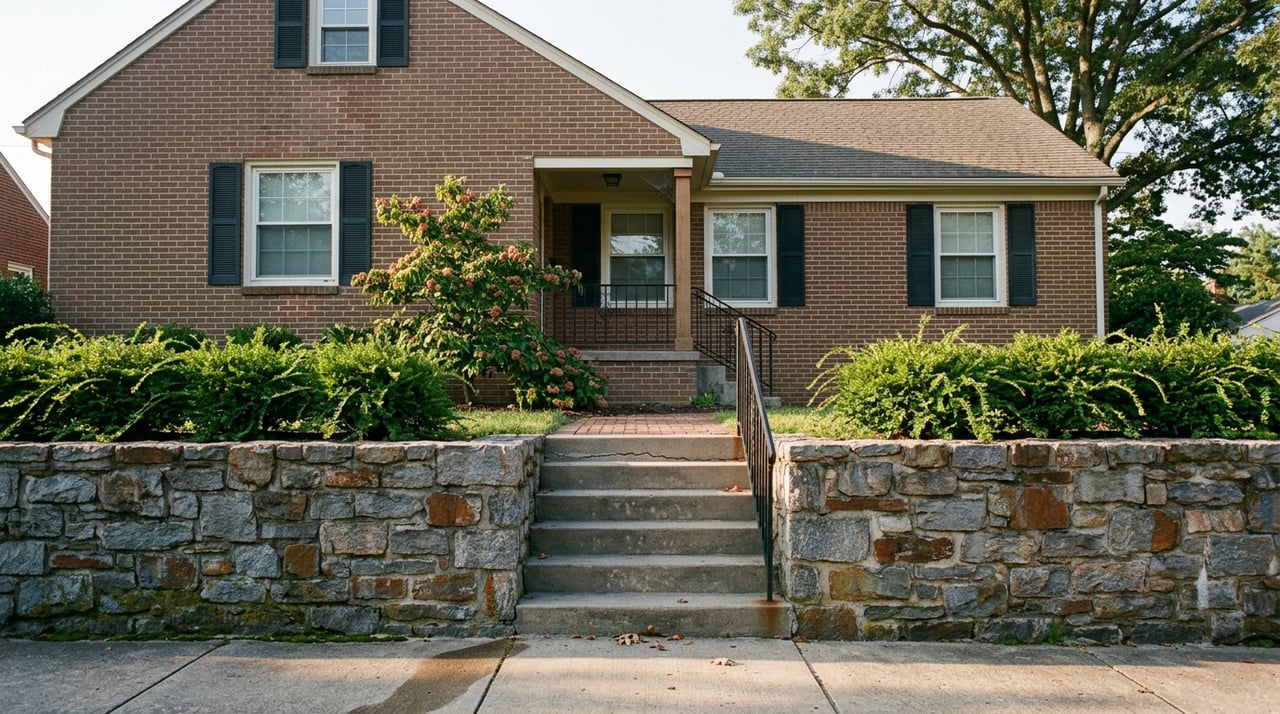
Fort Washington is overwhelmingly a single-family detached housing market. According to the 2019-2023 ACS report, 97.2% of housing units are 1-unit detached homes. That makes the area stand out for buyers who want more separation from neighbors and a more traditional suburban home setup.
Home size is another major draw. About 49.5% of homes have 4 bedrooms, and 26.7% have 5 or more bedrooms. If you need extra space for guests, a home office, hobbies, or multigenerational living, Fort Washington offers more of that larger-home inventory than many closer-in neighborhoods.
Expect an established housing stock
A big share of homes here was built in the 1960s, 1970s, and 1980s, with additional housing from the 1990s and 2000s. The largest slices of the housing stock were built in the 1970s at 24.4%, the 1980s at 20.0%, and the 1960s at 16.2%. That gives the area a mature, established feel rather than a brand-new subdivision look.
For buyers, that can mean larger floor plans and more yard space. It can also mean you may see a mix of updated homes, homes with original features, and properties that offer room for improvements over time. If you are a seller, understanding where your home fits in that mix matters when it comes to pricing and positioning.
Home Prices and Value
Fort Washington sits in an interesting price position within the region. Census Reporter places the median value of owner-occupied homes at $480,100. That is above the Maryland median of $419,900, but below the Washington-Arlington-Alexandria metro median of $579,900.
Recent market snapshots support that general range. Redfin reported a median sale price of $515,000 for the three months ending May 2026, while Realtor.com reported a median listing price of $470,000 and a median 29 days on market in June 2026. For buyers, that may translate to a chance at more square footage compared with some other parts of the DC area. For sellers, it shows there is meaningful value here, but pricing still needs to reflect current competition and condition.
What Daily Life Feels Like
A slower pace with room to breathe
Fort Washington is not trying to be a walk-everywhere urban district. Its appeal comes from space, stability, and a more relaxed pace. With a high owner-occupancy rate and a housing stock dominated by detached homes, the area often feels more rooted and residential.
That can be a strong fit if you want a home environment that feels calmer after a workday in the broader DC region. You may trade some walkability and quick rail access for more privacy, more yard-oriented living, and a less hectic daily backdrop.
Outdoor life is a major perk
The Potomac River is one of Fort Washington’s biggest lifestyle advantages. Fort Washington Park is the area’s signature outdoor destination, with river views, picnic areas, historic features, and seasonal cannon demonstrations. The fort has stood along the river approach to Washington for more than 200 years, which gives the park a sense of history that sets it apart from a typical neighborhood green space.
Piscataway Park adds even more to the outdoor experience. It includes a public fishing pier, nature trails, meadows, woodland areas, two boardwalks over freshwater tidal wetlands, and a launch for canoes, kayaks, and small boats. Fort Washington Marina also offers boat slip rentals and boat repair services, reinforcing that this is a river-connected community, not just a suburban area near major roads.
Taken together, the waterfront here feels natural and park-driven. It is less about a polished entertainment promenade and more about preserved views, outdoor recreation, and a slower connection to the landscape.
Commuting From Fort Washington
Driving is part of the lifestyle
Fort Washington is still a car-oriented suburb. In the latest ACS profile, 66.9% of workers drove alone, 16.5% worked from home, and the mean travel time to work was 39.3 minutes. If you move here, it is smart to expect driving to be a regular part of your routine.
That does not make the location impractical. It just means your day will likely revolve more around roads, traffic timing, and regional commuting patterns than around a walk-to-rail setup. For many households, that tradeoff is worth it for the added space and residential feel.
Transit is available, but limited
Transit options do exist, though they play more of a supporting role. The Fort Washington/Tantallon Park & Ride has 412 spaces and connects to Metrobus P17, P18, and P19. Route P95 also provides weekday peak-hour service between Southern Avenue and Fort Washington Park & Ride.
The area is also served by PGC Link microtransit, which is designed to connect riders to nearby destinations. In practical terms, transit can help with certain trips, but it does not replace the car-centered nature of daily life in Fort Washington.
Shopping and Everyday Convenience
Fort Washington does not center around a traditional small downtown. Retail is more spread across nearby commercial hubs and destination shopping areas. That pattern is important to understand if you are coming from a neighborhood where shops and restaurants cluster within a few blocks.
National Harbor is a major nearby retail destination, with Tanger National Harbor offering 85 designer outlets, along with additional shops in the Waterfront District and retail inside MGM National Harbor. For more routine errands, county microtransit information also highlights places like Old Fort Village Shopping Center and Livingston Square. The takeaway is simple: shopping is accessible, but it is usually destination-based rather than built around a compact town center.
Who Fort Washington May Suit Best
Fort Washington can be a strong fit if you are looking for:
- More square footage than you may find in other close-in DC-area locations
- A primarily single-family home market
- A quieter, more established suburban setting
- Access to riverfront parks and outdoor recreation
- A home base that stays connected to the larger Washington region
It may be less ideal if your top priority is:
- A walkable downtown environment
- Rail-centered commuting
- New-construction neighborhood uniformity
- An urban waterfront lined with dense retail and nightlife
Why Buyers and Sellers Pay Attention Here
For buyers, Fort Washington offers a distinctive combination of room, ownership stability, and access to nature. It can feel like a practical middle ground between higher-priced parts of the metro and more distant suburban locations. That is especially true if you value lot size, bedroom count, and a calmer setting.
For sellers, the local housing stock also creates an important strategy question. Because many homes are older and vary in updates and condition, presentation and pricing matter. In a market with established homes and different levels of renovation, the right plan can make a real difference in how your property competes.
Final Thoughts on Living in Fort Washington
Fort Washington offers a clear lifestyle proposition: more home, more yard, more riverfront park access, and a more settled suburban atmosphere, all within the broader DC orbit. It is not built around walkability or rail convenience, but for many people, the tradeoff works. If you want space and a quieter pace without disconnecting from the region, Fort Washington deserves a look.
If you are thinking about buying, selling, or simply sizing up your options in Prince George’s County, working with a broker who understands pricing, property condition, and local positioning can help you make a smarter move. To talk through your next step, connect with Anthony Beharry.
FAQs
What is Fort Washington, Maryland like for daily living?
- Fort Washington offers a quieter suburban feel with a strong base of long-term homeowners, mostly single-family detached homes, and access to outdoor spaces along the Potomac River.
What types of homes are common in Fort Washington, Maryland?
- The housing stock is dominated by single-family detached homes, which make up 97.2% of units, and many homes have 4 or more bedrooms.
What is the commute like from Fort Washington, Maryland?
- Fort Washington is largely car-oriented, with 66.9% of workers driving alone and a mean commute time of 39.3 minutes, though park-and-ride and bus options are available.
What outdoor amenities are available in Fort Washington, Maryland?
- Major outdoor amenities include Fort Washington Park and Piscataway Park, which offer river views, trails, picnic areas, wetlands boardwalks, fishing access, and small-boat launching.
How do home prices in Fort Washington, Maryland compare with the region?
- The median owner-occupied home value is $480,100, which is above the Maryland median but below the wider Washington-Arlington-Alexandria metro median.
Is Fort Washington, Maryland a good fit if you want walkability?
- Fort Washington is generally better suited to buyers who are comfortable with a car-oriented lifestyle, since shopping and daily errands are centered around destination retail areas rather than a compact downtown.