Search "sell duplex Deanwood DC tenant rights" today and you will land on articles explaining a version of the Tenant Opportunity to Purchase Act that stopped being fully accurate on December 31, 2025, as Ballard Spahr reports. That is a problem if you own one of Deanwood's small multifamily buildings and you are trying to figure out how long a sale will actually take.
For nearly two decades, selling a two-, three-, or four-unit building in the District meant the same process as selling a fifty-unit apartment complex: notify the tenants, give them a real opportunity to buy or assign their purchase rights, and wait. Nixon Peabody describes the full process as running past a year once financing and negotiation windows stack up. That timeline is the reason so many small owners in neighborhoods like Deanwood priced in months of holding costs before they ever listed.
The RENTAL Act, short for the Rebalancing Expectations for Neighbors, Tenants, and Landlords Act of 2025, changed that math for a meaningful share of Deanwood's housing stock. NAAHQ reports that Mayor Muriel Bowser signed it on November 13, 2025. Because DC laws pass through a congressional review period before they take effect, a quirk of the District's limited home rule, the act sat before Congress for 30 session days. Congress took no action, and the law became effective on December 31, 2025.
What Actually Changed for Small Buildings
The headline change for anyone who owns a duplex or fourplex is an amendment from Councilmember Anita Bonds that exempts small buildings from TOPA. Legal coverage of the final text describes the qualifying test two slightly different ways: Bisnow ties it to landlords who own two or fewer properties, others describe it as 2 to 4 unit buildings not majority owned by a business corporation. That disagreement among people who read the bill for a living is itself a preview of the ambiguity below. New construction picked up its own carve-out too: UrbanTurf reports that any building within 15 years of its certificate of occupancy no longer has to run the tenant offer-of-sale process at all, though it still has to issue a notice of transfer when it sells.
Here is what that looks like across Deanwood's actual housing mix:
| Building type | Before Dec. 31, 2025 | After Dec. 31, 2025 |
|---|---|---|
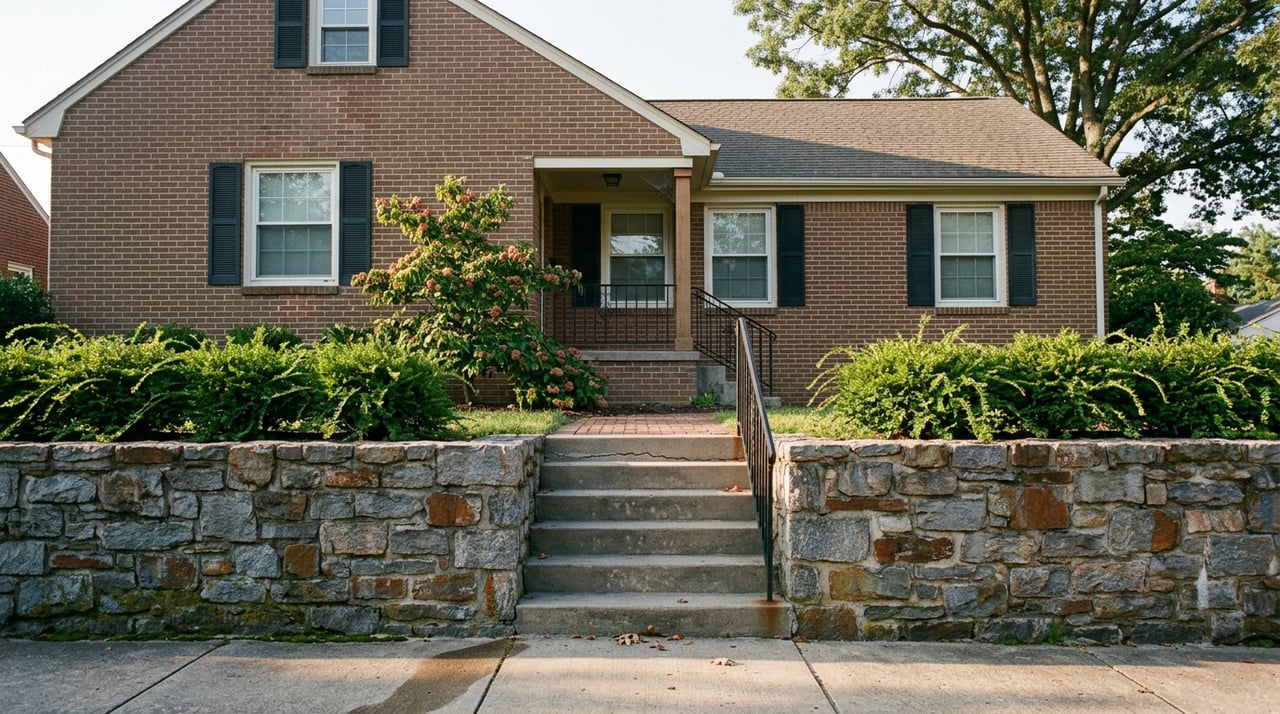
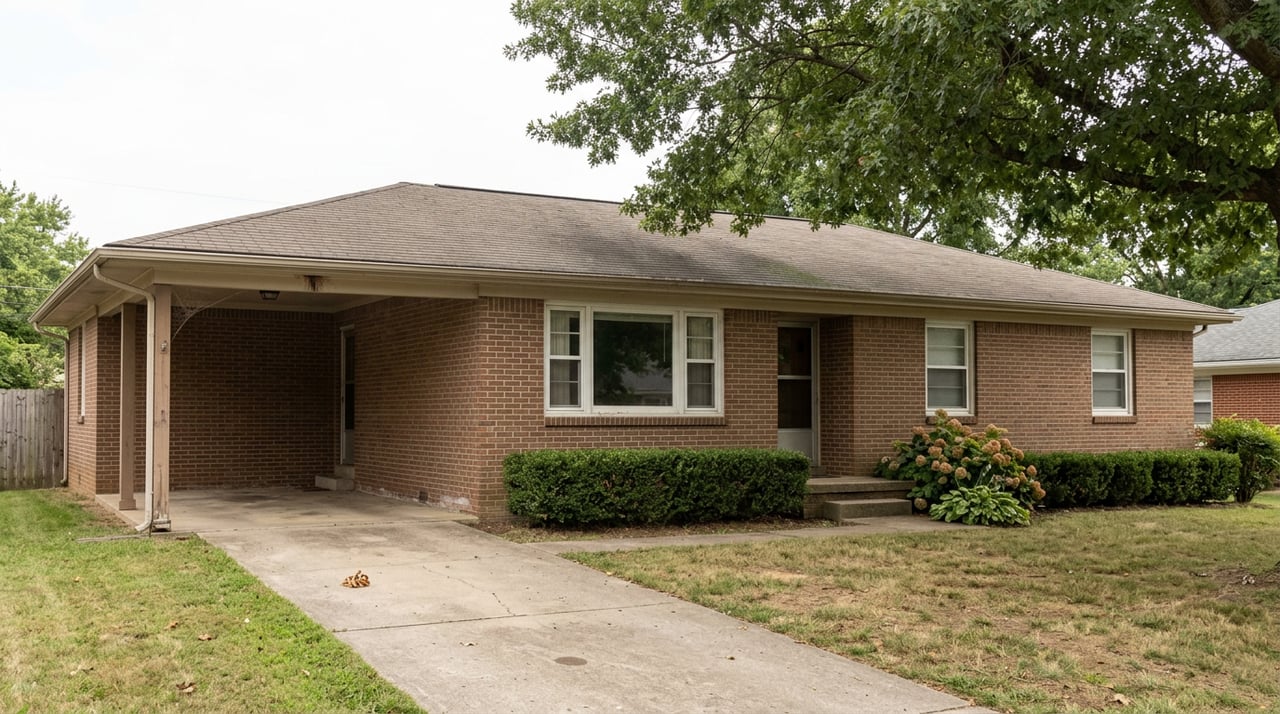
| Single-family home, no elderly or disabled tenant | DHCD says exempt since 2018 | Still exempt |
| 2 to 4 unit building, small ownership | Full TOPA process, up to a year or more | Exempt from offer of sale, if ownership structure qualifies |
| 5 or more units | Full TOPA process | Full TOPA process, except offer of sale for buildings under 15 years old |
| Any building under 15 years old | Full TOPA process | Exempt from offer of sale, notice of transfer still required |
That last row matters less in Deanwood than it does in a neighborhood full of new deliveries. Deanwood's median year of construction sits at 1958, and only a small fraction of its housing was built in the current decade. The age-based exemption is real, and it will matter for the run of new-construction townhomes built near 50th Place NE earlier this year, but it is not the lever most Deanwood sellers will pull. The ownership-based exemption for 2 to 4 unit buildings is.
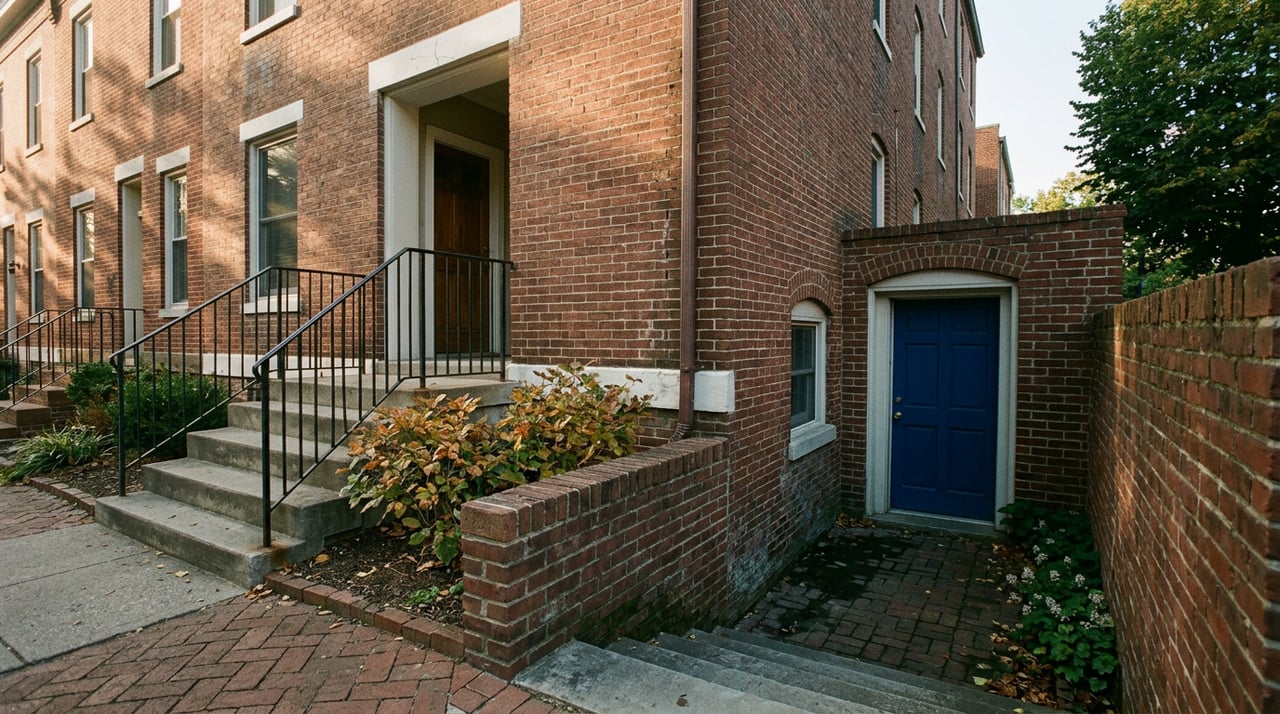
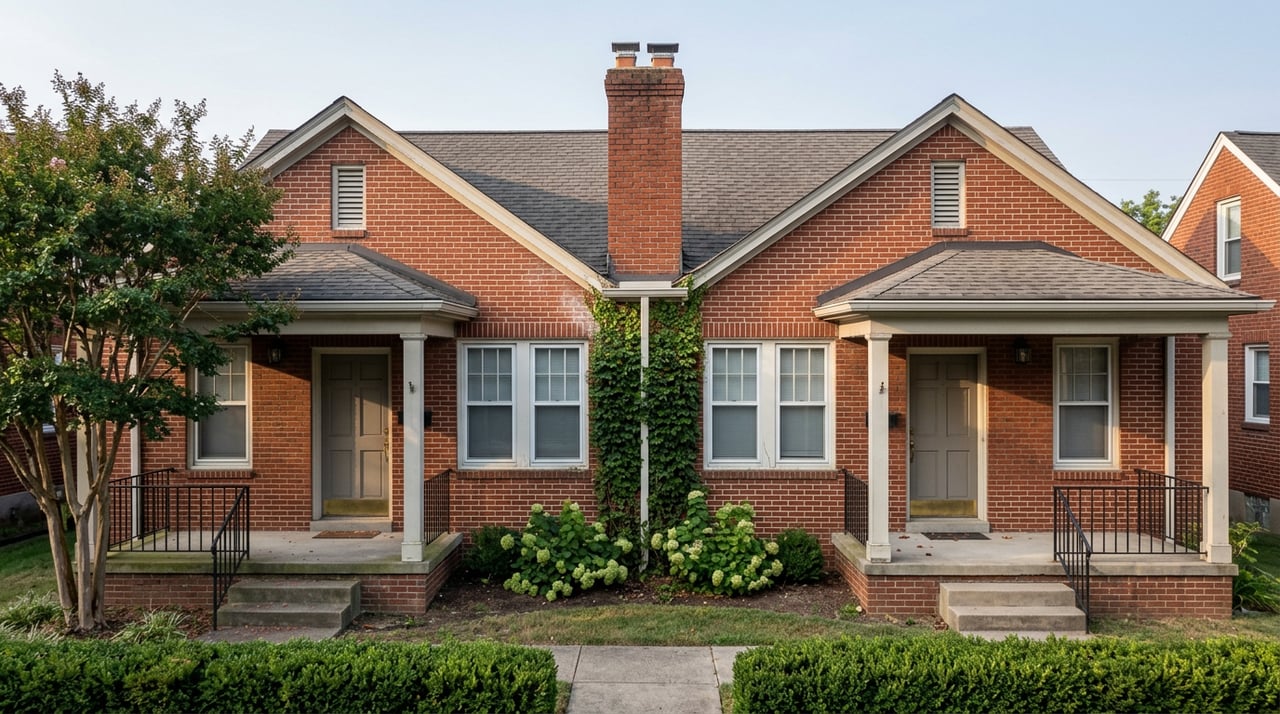
That exemption lands on a lot of property here. Deanwood's housing count runs to roughly 29,244 units total, with detached single-family homes making up just 15.7 percent and attached product, duplexes and rowhouse-style townhouses, accounting for 31.4 percent. Watch the listings on any given week and you will see why: a six-unit all-brick building marketed as turnkey, a straightforward two-unit duplex pitched for house hacking, a nine-unit building near the Deanwood Metro fully occupied at what its listing describes as a 10 percent cap rate. The two-unit duplex is the kind of property the RENTAL Act's small-building exemption may cover, depending on its ownership structure.
The Part Nobody Can Answer Yet
Here is the friction. Whether the test turns out to be a two-property cap or a business-corporation ownership test, either version sounds clean until you try to apply it to your own LLC, your family trust, or the entity you formed years ago to hold a rental property. The DC Department of Housing and Community Development is required to write regulations interpreting the RENTAL Act, and legal teams who met with DHCD following the law's passage were told the full rulemaking process could take up to two years. In the meantime, a title company, a buyer's attorney, or a tenant's representative can each read the ownership test differently, and there is no finished regulation to settle the disagreement.
That gap does not mean the exemption is meaningless. It means a seller cannot simply assume it applies and skip straight to marketing. Two provisions from the reform apply no matter which side of the ownership line you fall on. First, owners of exempt properties still have to notify tenants in writing that the property qualifies for the exemption, so silence is not an option even when TOPA's full offer-of-sale process no longer applies. Second, Landlord Friend reports that a new 45-day cooling-off period now sits between any tenant offer of sale and a tenant's ability to assign their purchase rights to a third party, which changes the timeline math for anyone whose building falls outside the small-owner exemption.
The District Opportunity to Purchase Act, DOPA, is the backstop in all of this. It allows the District government to step in and purchase a property when tenants decline to exercise their own rights, though that has historically been used rarely.
Why This Matters More in Deanwood Than in Some DC Blocks
DC's overall housing stock leans heavily toward single-family and rowhouse product, and city-wide analysis has found more than 30 tax assessment neighborhoods where a typical residential unit is a single-family detached home, semi-detached house, or row house rather than a true multifamily building. Deanwood sits closer to the middle of that spectrum than most Northwest neighborhoods. Its combination of prewar cottages, brick duplexes, and small garden apartment buildings, several originally designed by African American craftsmen and architects including H.D. Woodson, means the small-multifamily exemption touches a real slice of what actually trades hands here, not a theoretical edge case.
The pricing backdrop gives this some urgency. Across the District, homes sold for a median of $700,000 over the three months ending July 2026, essentially flat year over year, with the typical sale taking about 50 days. Deanwood's own numbers ran lower and slower earlier this year: a median sale price near $398,000 in March 2026 and an average of 131 days on market, up from 113 days the year before. Rent tells a similar story of a market that rewards patience over speed. As of June 2026, the average rent across Deanwood sat at $1,664 a month, with houses commanding closer to $2,547 and apartments averaging $1,572. For an owner of a small multifamily property weighing a sale against continuing to hold, shaving months off a TOPA-driven closing timeline is not a technicality. It is the difference between one extra rental cycle and three.
What to Actually Do Before You List
If you own a Deanwood duplex, triplex, or fourplex and you are thinking about selling, treat the exemption as a question to answer early, not an assumption to make late.
- Pull your ownership documents and confirm, in writing if possible, how many properties your entity holds and whether it is majority owned by a business corporation, since both tests have shown up in legal summaries of the exemption.
- Ask your title company directly how they are underwriting TOPA exemption claims right now, since practices vary while DHCD's regulations remain unfinished.
- If your building is exempt, prepare the written tenant notice of exemption status before you list, not after an offer comes in.
- If your building falls outside the exemption, build the 45-day cooling-off period and a realistic tenant-response window into your timeline from the start.
- Keep an eye on DHCD's TOPA transaction portal as it comes online, since it is meant to make exemption status and past transactions searchable.
A Few Direct Questions
Does the exemption apply if I already own the building? Confirm the ownership structure before relying on an exemption.
My duplex was built in 2016. Does the 15-year exemption apply to me? It can, since that exemption runs from the certificate of occupancy date rather than the sale date. Confirm the exact CO date with DC's permit records before assuming.
Do I still have to tell my tenant anything if I qualify for the exemption? Yes. The written notice of exemption status is a separate requirement from the offer-of-sale process, and it still applies.
What if my tenant is elderly or has a disability? The 2018 single-family exemption already carved out an exception for elderly and disabled tenants, and nothing in the RENTAL Act removed that carve-out for single-family properties.
Selling a small multifamily property in Deanwood right now means working with someone who is tracking a law that is still being written in real time, not reciting a guide from two years ago. If you own a duplex, triplex, or small building here and want a straight read on where your specific property stands, Anthony Beharry has spent more than two decades working the investor and landlord side of this market across Prince George's County and DC. Let's Connect and get your timeline right before you list, not after.
This article is general information, not legal, tax or financial advice. Consult a qualified professional about your situation.