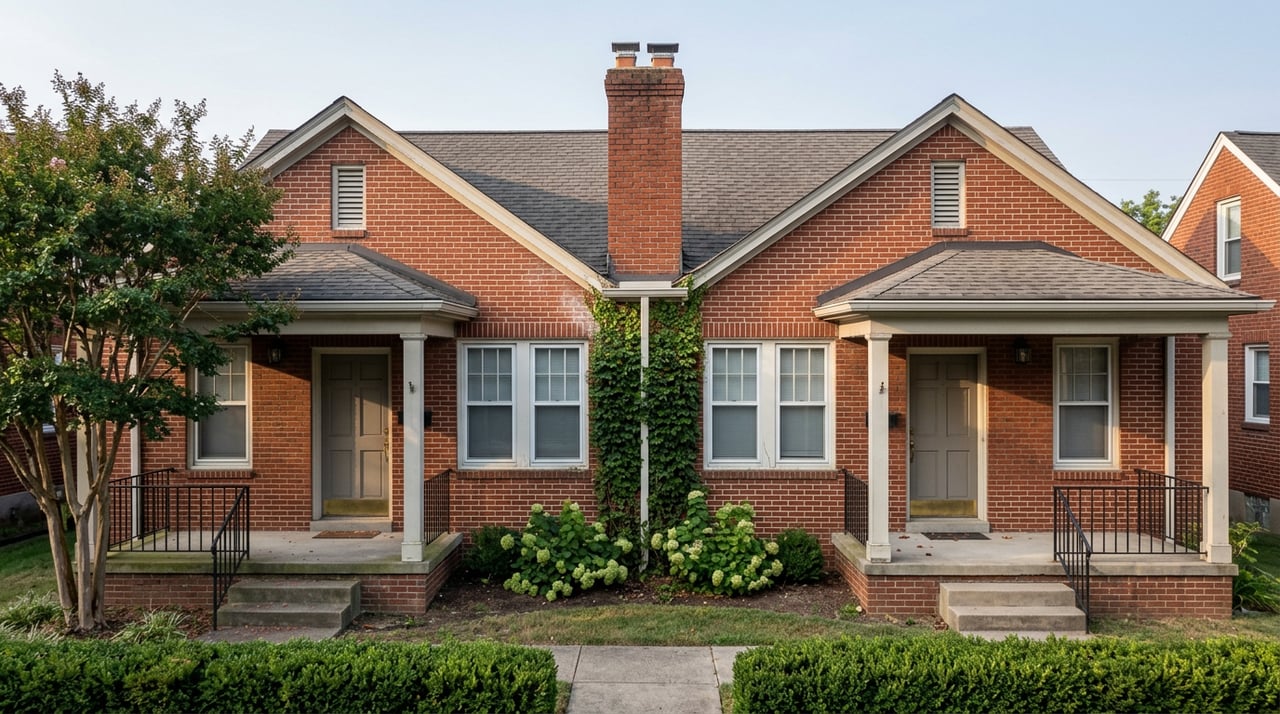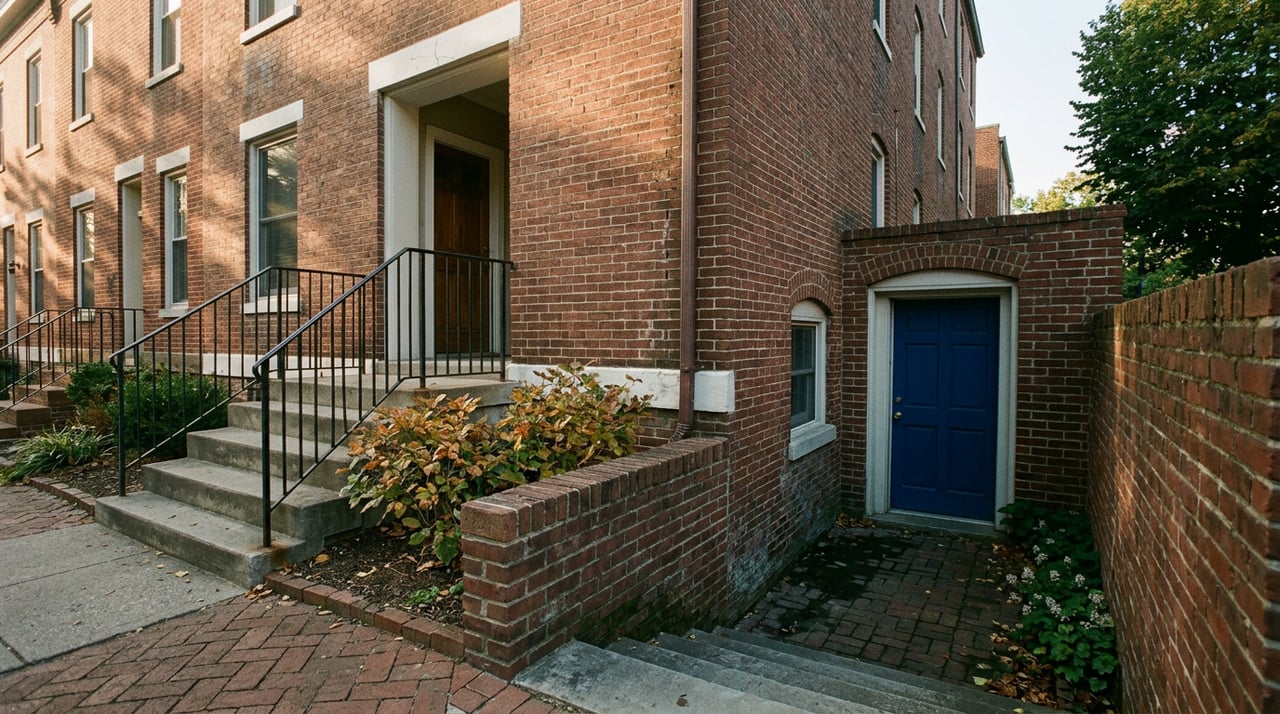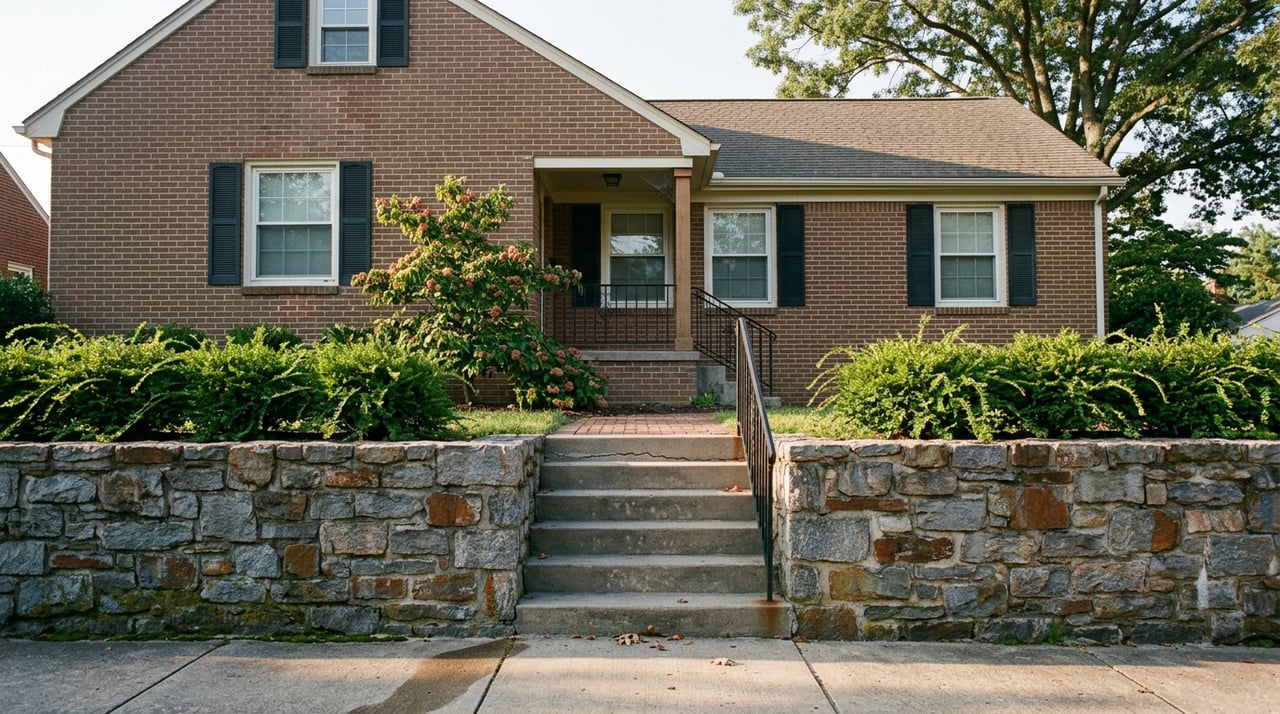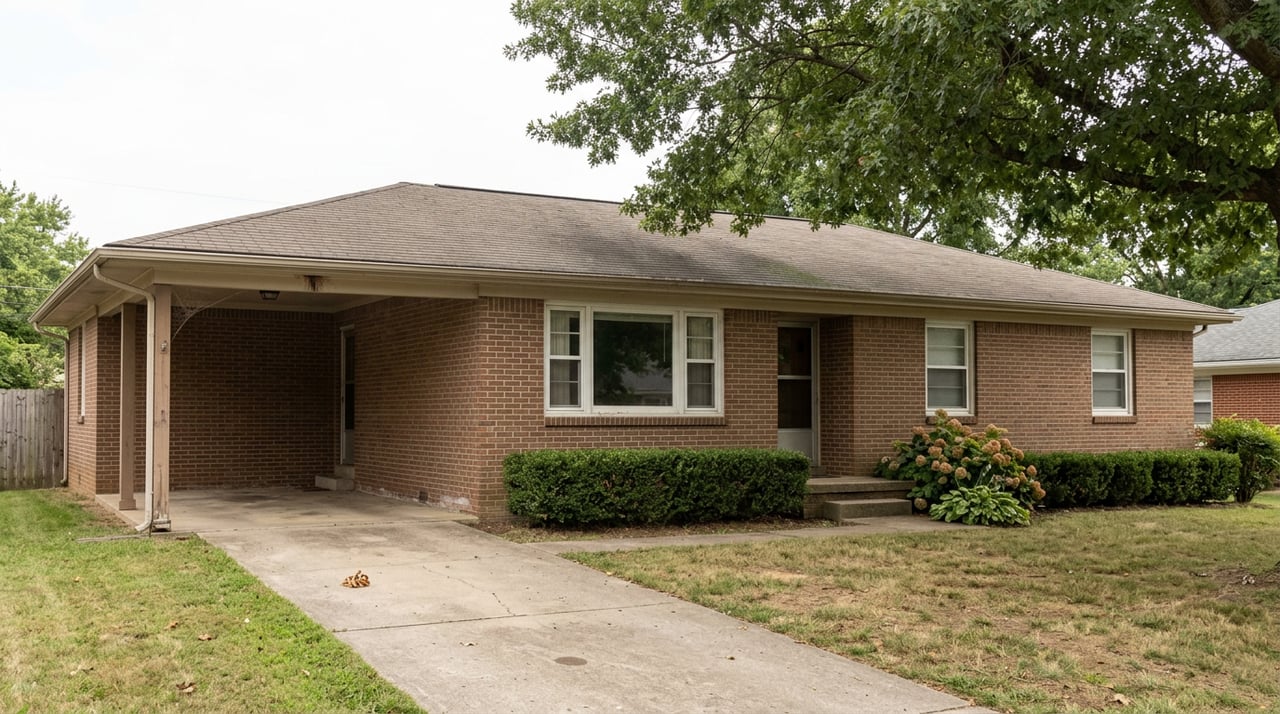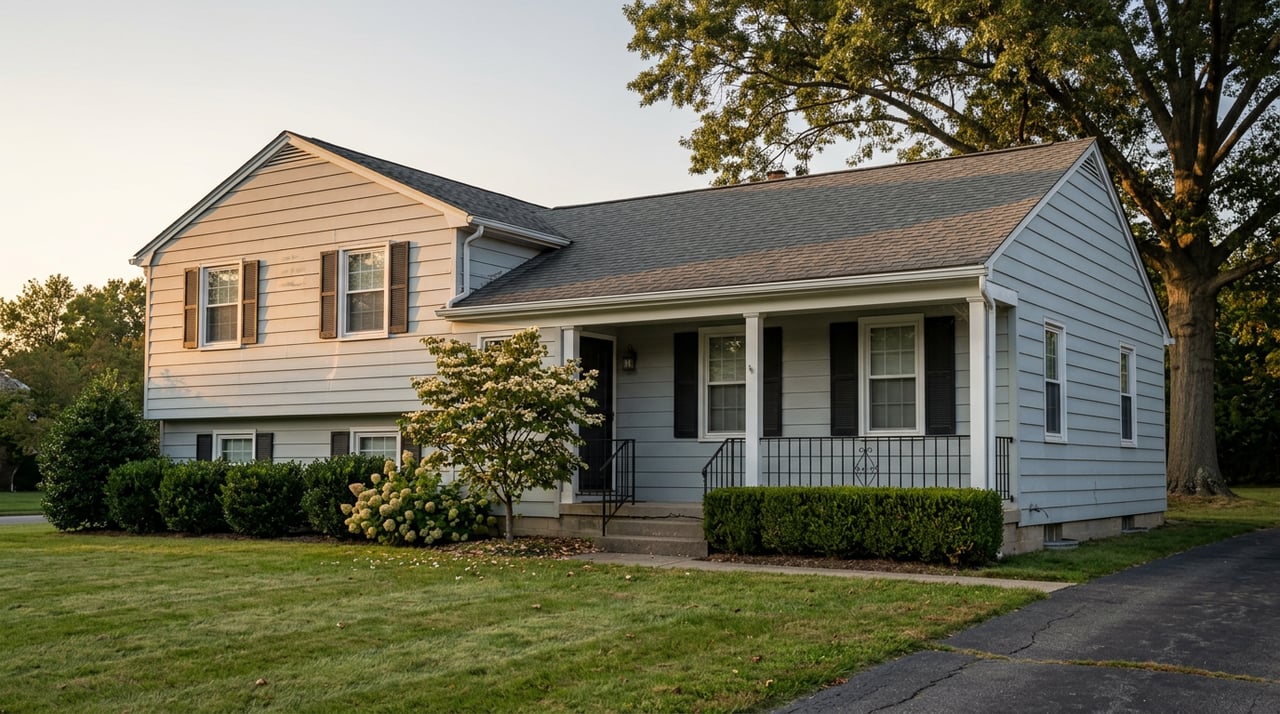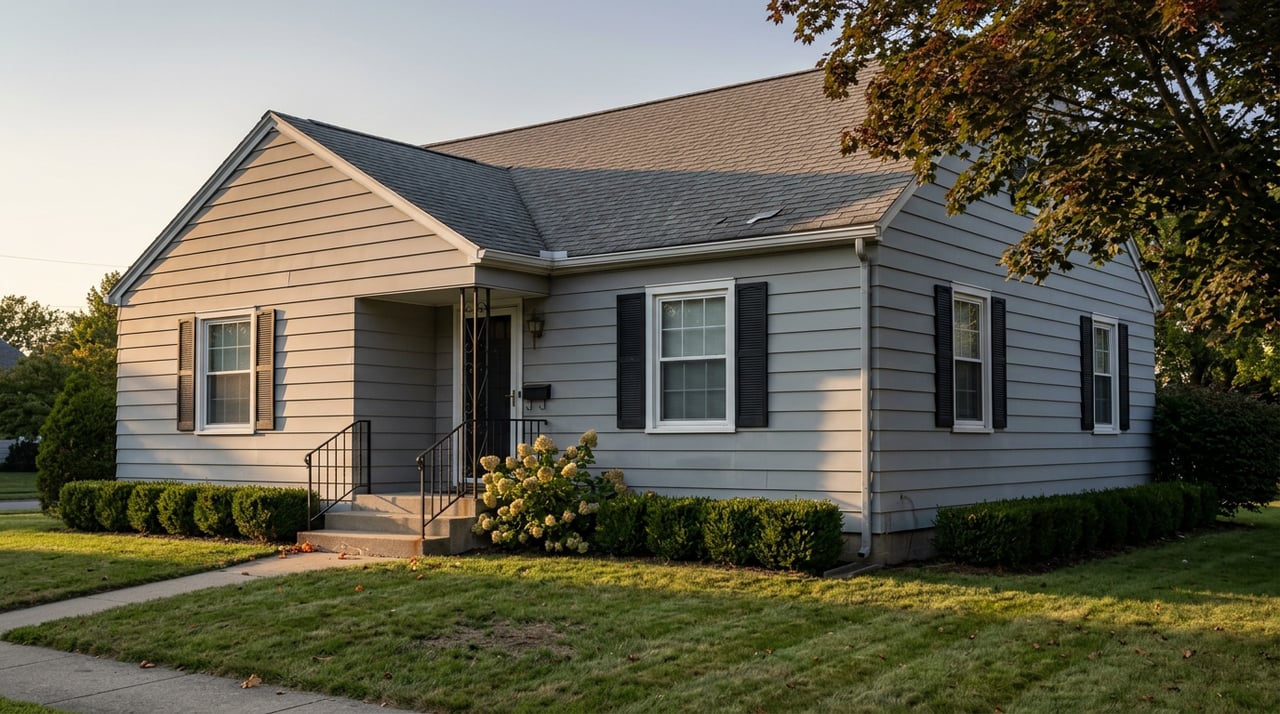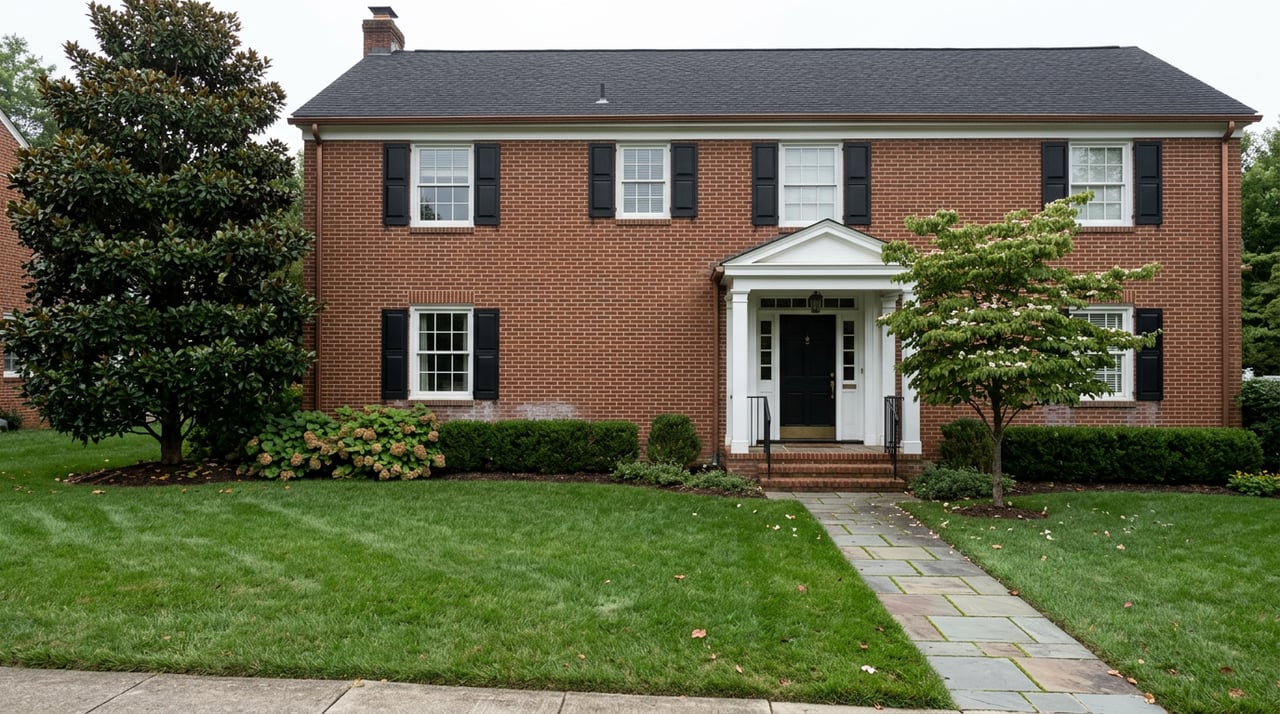
Pull up four different home-value trackers for Capitol Heights on the same afternoon and you'll find four different markets. One shows the median sale price down 16 percent year over year. Another shows it up 3 percent. A third lands in between. A fourth pegs the average value somewhere else entirely. None of these numbers are fabricated. They're just measuring a market too thin to behave like a market at all.
That thinness matters more than any single figure, because Capitol Heights is also the site of a real, state-backed, $140 million redevelopment that has made headlines all year. If you're trying to decide whether that investment should change how you price an offer or a listing here, the answer depends on understanding two things most buyers conflate: how unreliable the month-to-month price data is, and how narrow the footprint of the actual project remains.
Why the same neighborhood has four different prices
Start with the data itself. Redfin's tracker showed Capitol Heights homes closing at a median of $308,000 in November 2025, down 16.3 percent from a year earlier, with days on market nearly doubling from 17 to 40. That same period, only four homes sold in the town, down from six the year before. Zillow's home value index, updated through the end of May 2026, put the average home value at $329,574, down a comparatively modest 2.2 percent. A March 2026 snapshot from another market tracker showed the median climbing to $350,000, up 3 percent over the trailing twelve months. A fourth source pegged the median closer to $277,500.
Four trackers, four stories, all describing the same handful of streets. The explanation isn't disagreement about methodology. It's arithmetic. When a town sells four to six houses in a typical month, one distressed sale or one high-end renovation flip can swing the median by tens of thousands of dollars. A market with 6.5 months of housing supply, well above the roughly 2.5-month statewide average, is a market where a handful of listings sitting unsold can drag the "typical" price down without reflecting what a well-prepared home actually commands. Nearly four in ten active listings had already taken a price cut by early spring, which tells you sellers are testing numbers the data can't yet confirm.
None of this means Capitol Heights values are secretly stable or secretly crashing. It means the monthly median is the wrong tool for pricing a specific house here. A comparable-sales analysis on your actual block, done by someone who tracks this specific submarket, tells you more than any tracker's headline number.
The story everyone actually means when they say "Capitol Heights is changing"
The number people are really reacting to isn't the price data. It's the redevelopment. In January 2026, Governor Wes Moore and Metro General Manager Randy Clarke stood at the Capitol Heights Metro station to announce that Atlantic Pacific Companies had been selected to lead a $140 million mixed-use project on the site, replacing 3.8 acres of surface parking with 320 apartments and 10,000 square feet of retail space aimed at groceries, coffee, and neighborhood services. The architect is Torti Gallas + Partners. The general contractor is Whiting Turner. The apartments will be reserved for renters earning no more than 60 percent of the area median income.
This is a real project with real money behind it. Maryland committed $17 million in 2024 toward site infrastructure, and the state has pledged $450 million to the broader Blue Line Corridor stretching from Capitol Heights to Largo, funding meant to eventually deliver an amphitheater, a market hall, a civic plaza, and a trail connector along Central Avenue. One resident living near the station told a local news crew she currently drives to Bowie or Laurel just to find a decent restaurant, which captures exactly what the retail component is meant to fix.
It's also worth knowing why the state is pushing this hard right now. Prince George's County had a rough 2025 by its own economic measures: the Washington Commanders confirmed plans to leave Landover for a new stadium in the District, the FBI decided to stay put in Washington rather than relocate to a promised headquarters in Greenbelt, and Six Flags America closed for good. The Blue Line Corridor push is, in part, the county's answer to those losses.
Where the investment actually stops
Here's the part that gets lost in translation. The $140 million project sits on 3.8 acres that WMATA already owns, governed by a Transit District Overlay Zone the county approved back in 2008 specifically to allow this kind of development on transit-owned land. That overlay is why Metro and Atlantic Pacific can build here without touching the zoning on a single surrounding block. As of this spring, the project was still in the stage of negotiating a joint development agreement, with no groundbreaking date announced. Officials have said the timeline won't slip, but nobody has committed to a year.
The product being built is also not what most sellers around it are competing with. These are income-restricted rental apartments, not for-sale single-family homes or townhouses. A renovated bungalow two blocks away isn't comping against a future one-bedroom capped at 60 percent AMI. The investment can absolutely change foot traffic, retail options, and long-term desirability along Central Avenue. It cannot, on its own, rezone or redevelop the residential blocks around it, because it was never designed to.
That distinction becomes sharper once you see what didn't happen in Annapolis this year.
The bill that would have widened the reach, and didn't
Alongside the Metro announcement, Governor Moore backed the Starter and Silver Homes Act of 2026, a bill that would have barred local jurisdictions statewide from enforcing minimum lot sizes above 5,000 square feet, banning townhouses in single-family zones, or blocking property owners from splitting an improved lot into up to three smaller parcels. Had it passed, it would have applied to Prince George's County and could have meaningfully loosened what's buildable on the ordinary single-family streets surrounding the Metro station, not just on WMATA's parking lot.
It didn't pass. Crossover day in the Maryland General Assembly was March 23, 2026, and the bill never came out of committee in either chamber. Local governments retained the authority to set their own lot-size and design rules, and Capitol Heights' residential zoning outside the transit overlay stays exactly as it was.
Put those two facts together and the picture sharpens: the state secured its transit-owned parcel and is moving forward on it, but the broader zoning shift that would have let that investment spill naturally into the surrounding blocks stalled out. The $140 million story is real. Its geographic reach is not as wide as the headlines imply.
What this actually means if you're buying or selling here
If you're shopping in Capitol Heights hoping the Metro project will lift resale value on a specific street, ask how close that street sits to the 3.8-acre footprint and whether it falls inside the 2008 overlay boundary. Proximity to a future grocery store and a transit stop matters. Being inside a zoning district that permits new construction is a separate question, and right now the answer for most residential blocks is still no.
If you're selling and worried about a "prices down 16 percent" headline, understand that figure was built on four closed sales in a single month. A market this thin needs a pricing strategy built on recent, comparable closings on your specific block, not a citywide average pulled from a handful of transactions. That's the kind of read a home valuation grounded in local sales activity can give you, rather than a portal snapshot that resets every time a single house closes.
If you're an investor eyeing the corridor for the long game, the fundamentals are worth tracking: seven new homes built in the entire town between 2020 and 2024, a state that has already put real dollars behind the station, and a county actively courting the kind of retail this stretch of Central Avenue has lacked. Those are slow-moving tailwinds, not a signal to overpay this quarter.
A few direct questions
Does the Metro redevelopment mean my home is worth more right now? Not automatically. The project sits on WMATA-owned land under a specific overlay zone. Until it breaks ground and the retail and foot traffic materialize, the value case is about future potential, not a completed amenity you can point to today.
Why do market trackers disagree so much on Capitol Heights? Because the town sells so few homes each month that one or two transactions can swing the median significantly. Treat any single tracker's headline number as a rough estimate, not a precise read on your property.
Could the zoning reform that failed this year come back? The Starter and Silver Homes Act wasn't formally withdrawn, and lawmakers could reintroduce a version of it in a future session. Nothing currently pending would change Capitol Heights' residential zoning outside the transit overlay.
If you're weighing a purchase, a sale, or just want a clear-eyed read on what a specific block near the Blue Line Corridor is actually worth, Anthony Beharry has spent two decades pricing exactly this kind of market, the kind where the headline number and the real number aren't the same thing. Let's Connect.