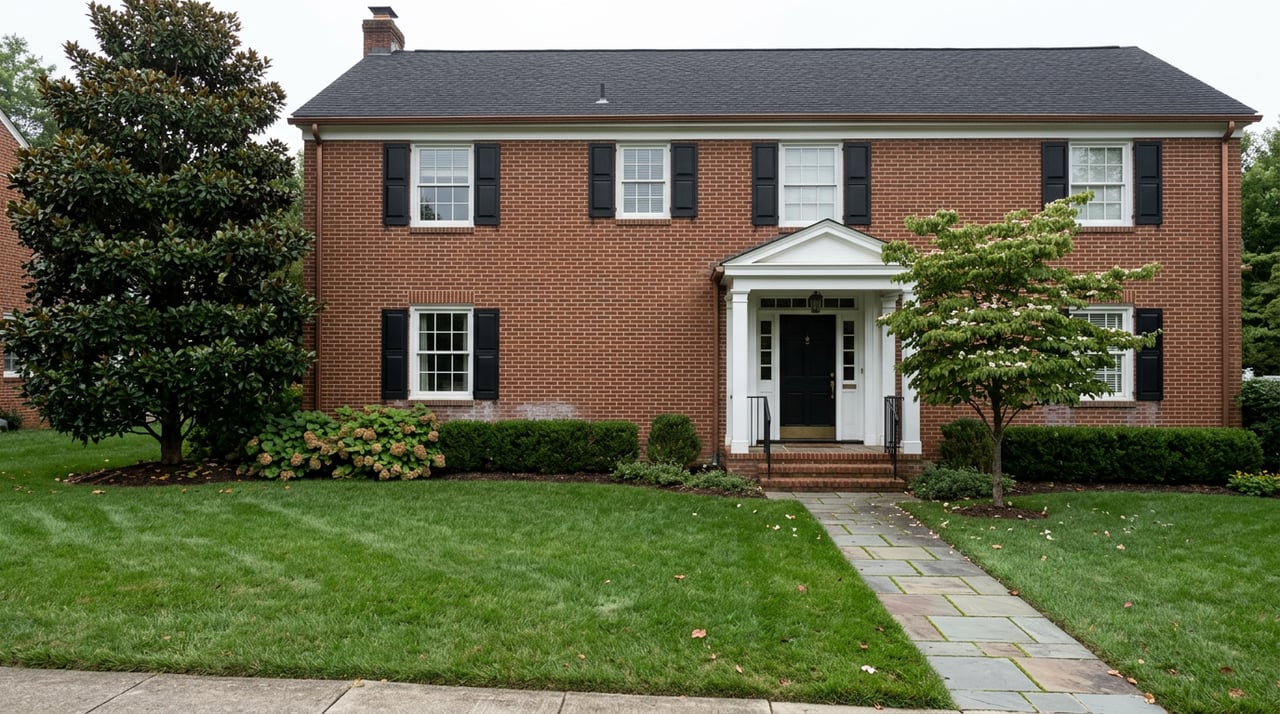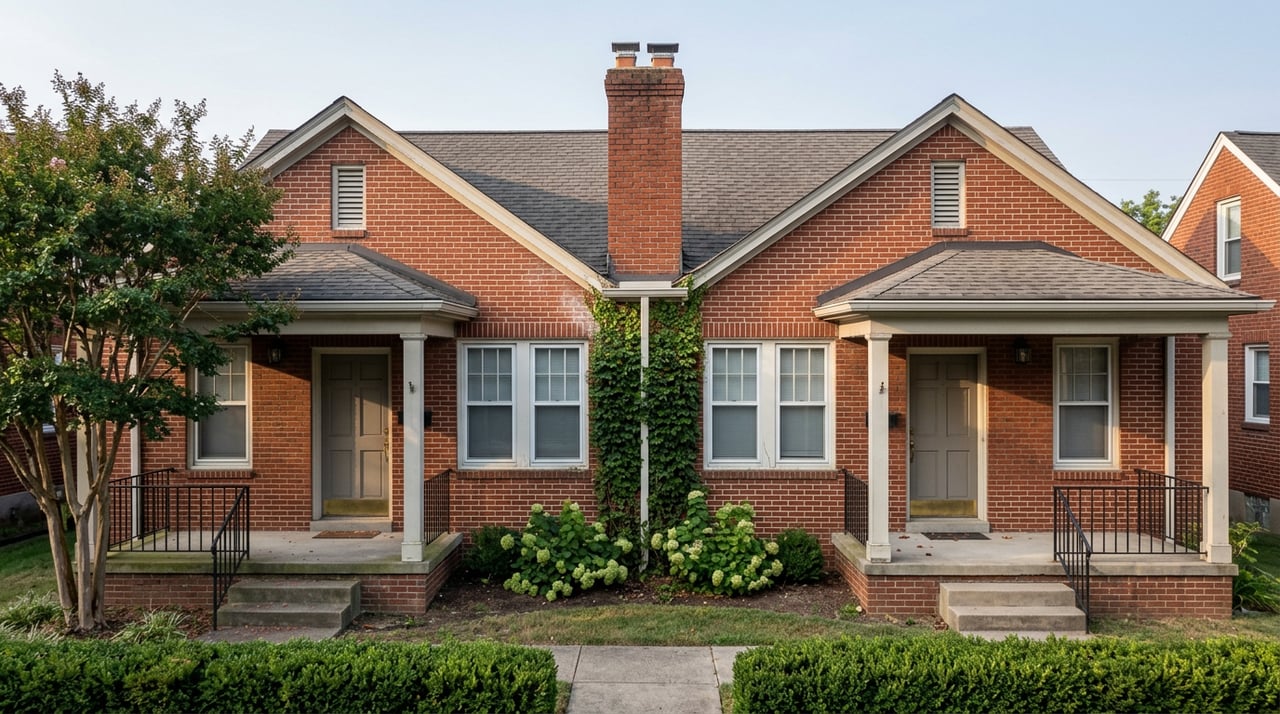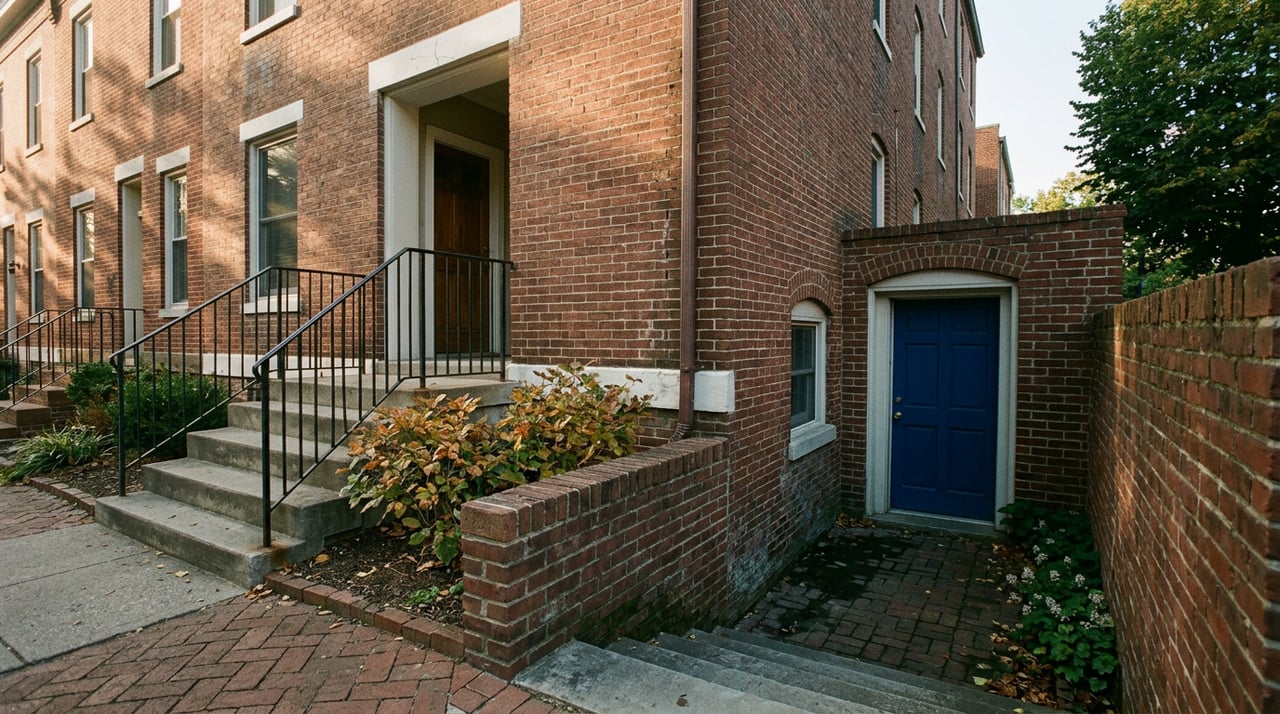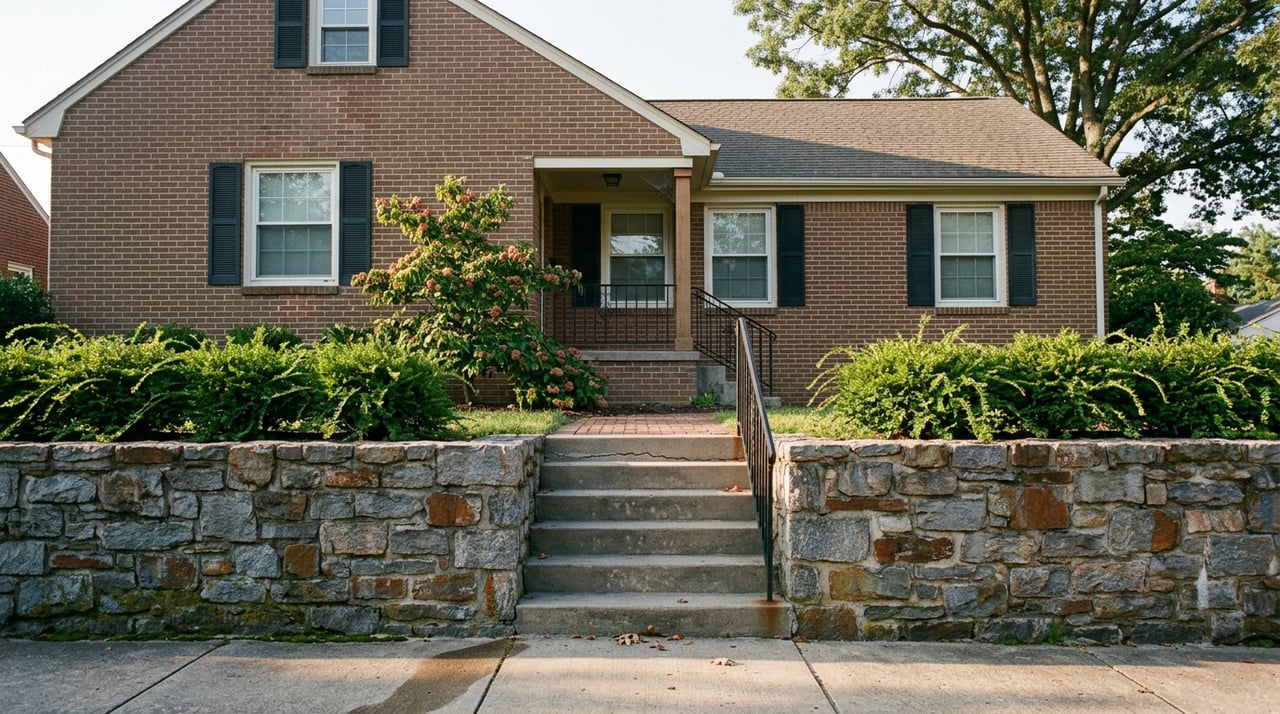
A 19-acre lot zoned for agriculture in Upper Marlboro is on the market right now with no percolation test on file. The listing tells the buyer to pick the septic location themselves. A few miles away, inside the Westphalia Town Center, D.R. Horton is selling new townhomes and single-family homes on full public water and sewer, with a clubhouse and pool included in the price of admission.
Both properties carry the same "Upper Marlboro, MD" label. They are not the same product. What separates them is not the school district or the square footage. It is a classification most buyers never hear mentioned until an inspection contingency forces the question: is this house on public utilities, or is it on well and septic? In Prince George's County, that answer is not a matter of chance. It is written into a county planning document, and it shapes the timeline, the closing costs, and the ongoing budget of everyone who buys here.
The County Already Labeled Your Property
Prince George's County assigns every parcel a Water and Sewer Category, and the categories run from 3 to 6. Category 3 means public lines are funded, built, and ready for connection. Category 4 means service is available or can be extended without much friction. Category 5 means a community system is planned, but only if a developer builds the main lines. Category 6 means the county has no public plan for that parcel at all. It is well and septic, permanently, unless someone goes through the process to change that.
That process is not a phone call to a utility company. Moving a property from Category 6 or 5 up to Category 4 requires a legislative amendment, reviewed by the Department of Permitting, Inspections and Enforcement, WSSC, the Maryland-National Capital Park and Planning Commission, and the Health Department, then sent to the County Council for a public hearing. Filing deadlines for that cycle land on March 1, June 1, September 1, and December 1 each year. Moving from Category 4 to 3 is a simpler administrative step, but it still is not immediate.
| Category | What it means | Where you'll typically see it |
|---|---|---|
| 3 | Public lines are built and available for connection | Planned communities like Westphalia, established in-town blocks |
| 4 | Public lines are available or can be extended without a legislative change | Parcels at the edge of an existing service area |
| 5 | A community system is planned, but depends on a developer funding the main lines | Larger tracts awaiting subdivision approval |
| 6 | No public system is planned. Well and septic only | Acreage, older farmhouses, agricultural-zoned lots |
If you are comparing two listings under the same neighborhood name, this is the first thing worth asking, not the finishes in the kitchen.
Where This Actually Costs You Time
The category shows up hardest in the financing timeline. Tri-County Pump Service, which services well and septic systems across Maryland, notes that loans backed by FHA, VA, or USDA carry their own requirements for well and septic properties: a water potability test for bacteria and nitrates, and a flow test to confirm the well can support the household. It also notes that these lenders sometimes require custom test durations beyond the standard one-hour flow check. Tri-County Pump Service also notes that Maryland law requires the property-transfer septic inspection itself to be performed by a state-approved professional, not a simple dye test. If a seller has not already lined up a well completion report and septic permit history, that paperwork search happens during your contract period, not before it.
None of this applies to a Category 3 home connected to Washington Suburban Sanitary Commission (WSSC) lines. If you already receive a water and sewer bill from WSSC, the county confirms you're on public service and none of the well or septic testing timeline applies to your purchase. That single fact, checkable before you ever write an offer, tells you which closing calendar you're on.
The Standing Costs a Listing Sheet Won't Show
A septic system is not a one-time inspection line item. It is a recurring cost of ownership. JLG Septic Services, which works throughout Greater Upper Marlboro, charges $300 to $600 for routine residential septic tank pumping depending on tank size and access. That pumping is typically needed every three to five years, with a full tank cleaning recommended every five to seven years. A well-maintained drain field lasts fifteen to twenty-five years. When a tank does need replacement, Angi's cost data for the Upper Marlboro area puts the average at $7,350, with a range from $470 to $22,500 depending on house size and system type.
Homeowners on well and septic in Upper Marlboro also rely on companies like R.K. Boswell Septic & Excavating for pumping and excavation work, and on local inspection firms such as Your Home Matters Inspection Services, based on Trumpet Lane in Upper Marlboro, or Pillar to Post's Upper Marlboro-based inspector, for the water quality and septic evaluations lenders require. None of these costs disqualify a well and septic home from being a good purchase. They do mean the true cost of ownership includes a maintenance line that a Category 3 buyer on public sewer never sees.
The Rule That Changed Every New Septic Permit
If the property sits inside the Chesapeake Bay Critical Area, there is one more layer. Since January 1, 2013, the county's adopted Water and Sewer Plan has required all new construction in the Critical Area to install Best Available Technology (BAT) nitrogen-reduction septic systems, and any failing system in that zone must be replaced with a BAT unit or connected to public sewer. Homes outside the Critical Area can install BAT voluntarily, but it isn't required. That difference alone can separate two similarly priced septic permits by thousands of dollars.
Maryland's onsite code also sets fixed separation distances between a well and a septic system: 100 feet if the septic sits in an unconfined aquifer, 50 feet if it's in a confined aquifer. An inspector confirms which applies during the site evaluation. On a smaller or oddly shaped lot, that distance requirement can determine whether a septic system, or even a second well, can legally be sited on the property at all.
Before You Write the Offer: Check the Testing Calendar
For anyone buying raw or under-developed land with the intention of building, there is a timing risk that has nothing to do with price. Percolation testing, the soil test that determines whether a septic system can be installed at all, runs on a seasonal schedule tied to groundwater conditions. The county closed wet season percolation testing on April 17, 2026, citing continued drought and low observation well readings, and said soil conditions will be reassessed before the next wet season testing window opens. If you are under contract on a Category 6 lot with no completed perc test, that test may not be available on the timeline your contract assumes.
What This Does to the "Median Price"
In August 2026, Upper Marlboro's median list price sat at $465,000, down 2% from the prior month and down 2% year over year, with price per square foot at $255, down 3% over the same year. That single number describes two different markets stacked on top of each other. New construction communities like The Overlook at Westmore, built by Stanley Martin Homes, and Watermark at Westphalia Town Center, built by D.R. Horton, sell on Category 3 public utilities with amenities built into the price. Meanwhile, acreage parcels advertised as agricultural-use assessed, with no perk test completed, sit at the other end of the same ZIP code, priced for land and privacy rather than a finished, utility-connected home.
A buyer comparing prices without checking the category is comparing apples that were never picked from the same tree. If you're weighing a move here, our Upper Marlboro neighborhood guide and current Upper Marlboro listings are a reasonable place to start narrowing which side of that line fits your plans.
A Few Direct Questions
How do I find out if a specific address is on public water or well and septic? Check whether the seller receives a water and sewer bill from WSSC. If they do, the county confirms the property is on public service. If not, ask for the well completion report and septic permit history, which the seller or the county Health Department can provide.
Does a septic system disqualify a house from certain loans? No, but FHA, VA, and USDA loans require additional water and flow testing on well and septic properties, which can extend the inspection period. Build that into your contract timeline rather than assuming a standard closing schedule.
What if the well and septic on a property don't meet the required separation distance? An inspector confirms the aquifer type and measures the distance during the site evaluation. If the distance falls short, it can affect whether a replacement system or second well is even permittable on that lot, which is a conversation worth having before removing an inspection contingency.
Whether you're weighing a Category 3 townhome in a planned community or a Category 6 lot with room to build, the category is the fact that shapes everything else about the deal. If you want a second set of eyes on what a specific Upper Marlboro property actually is before you write an offer, or what your current well and septic home is really worth on today's market, Anthony Beharry can walk through it with you. Start with a home valuation or reach out directly. Let's Connect.
This article is general information, not legal, tax or financial advice. Consult a qualified professional about your situation.