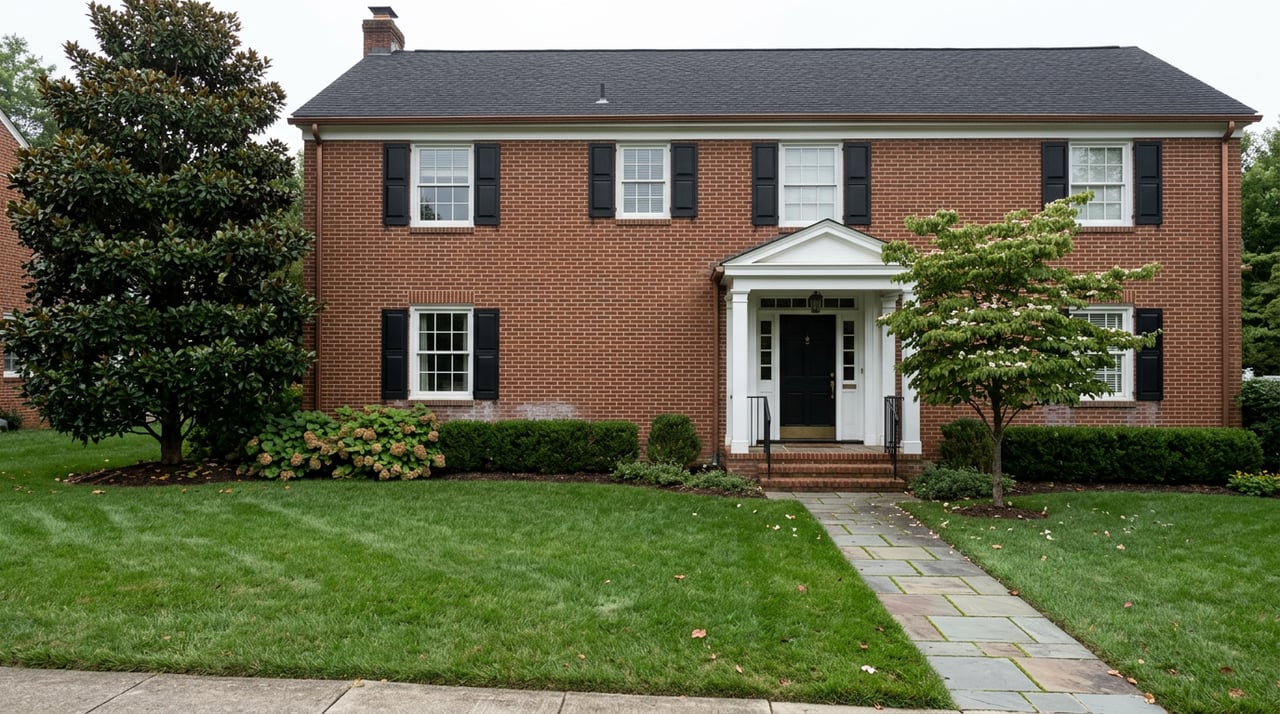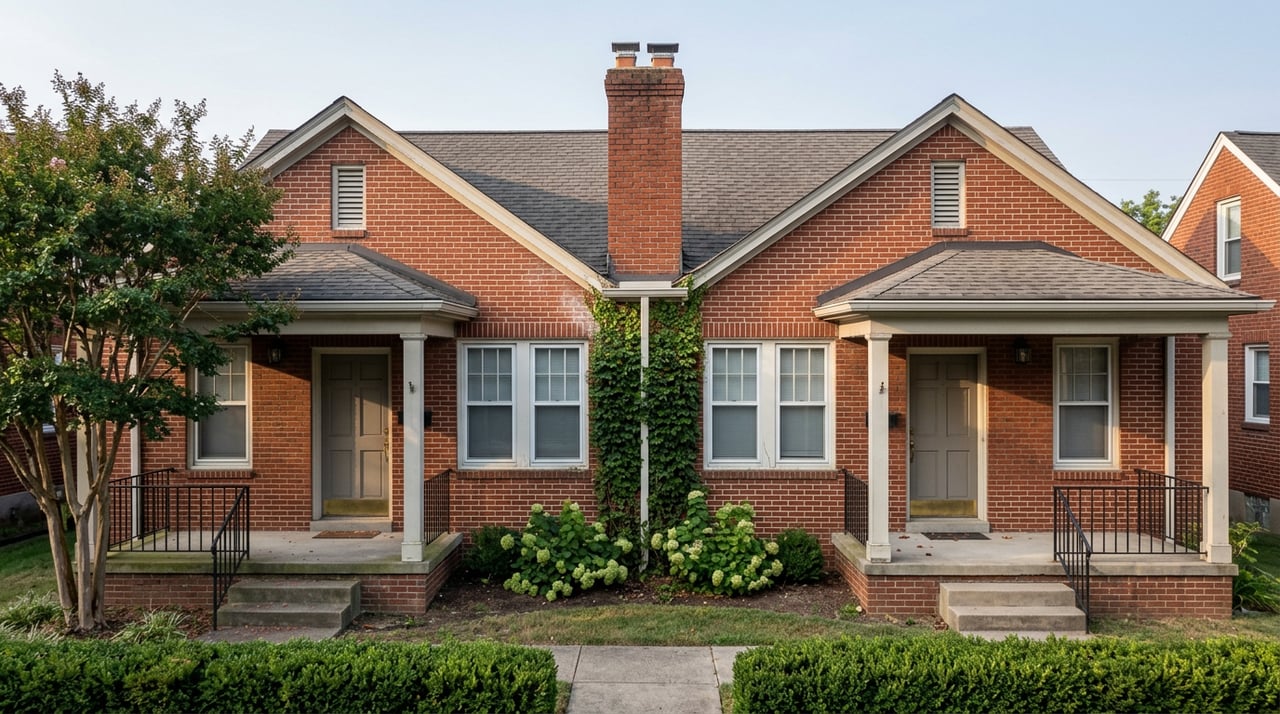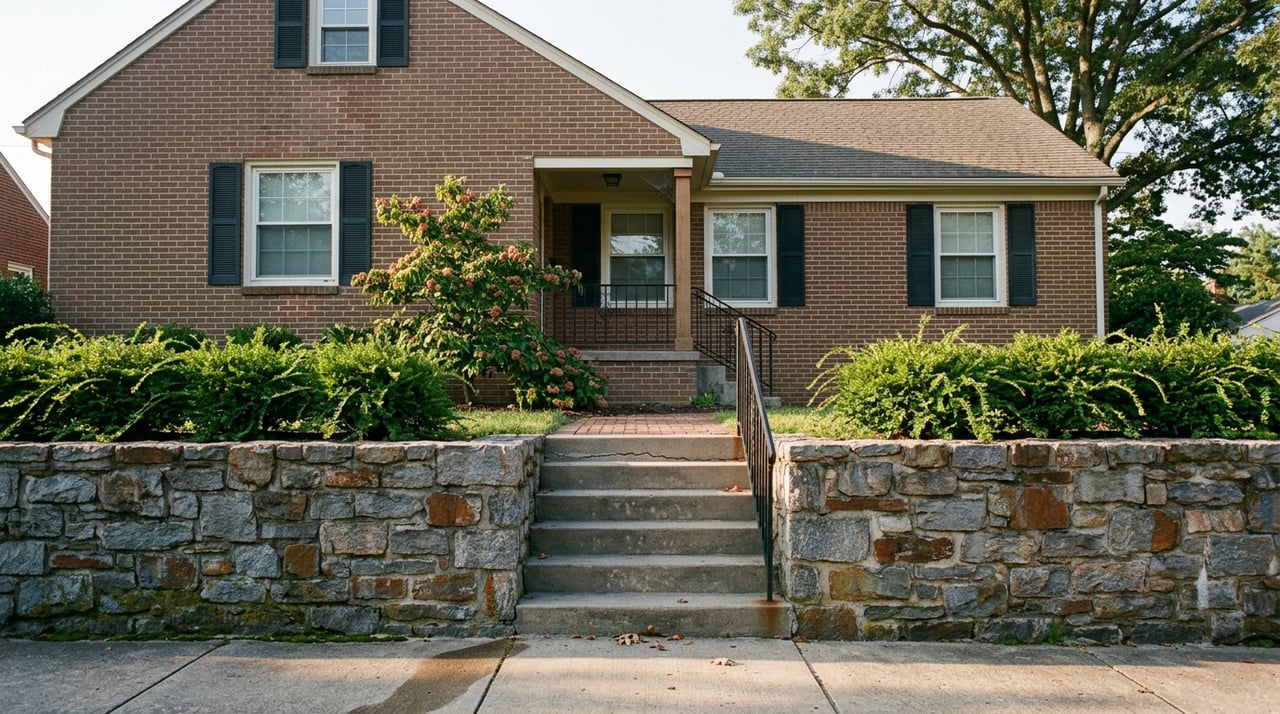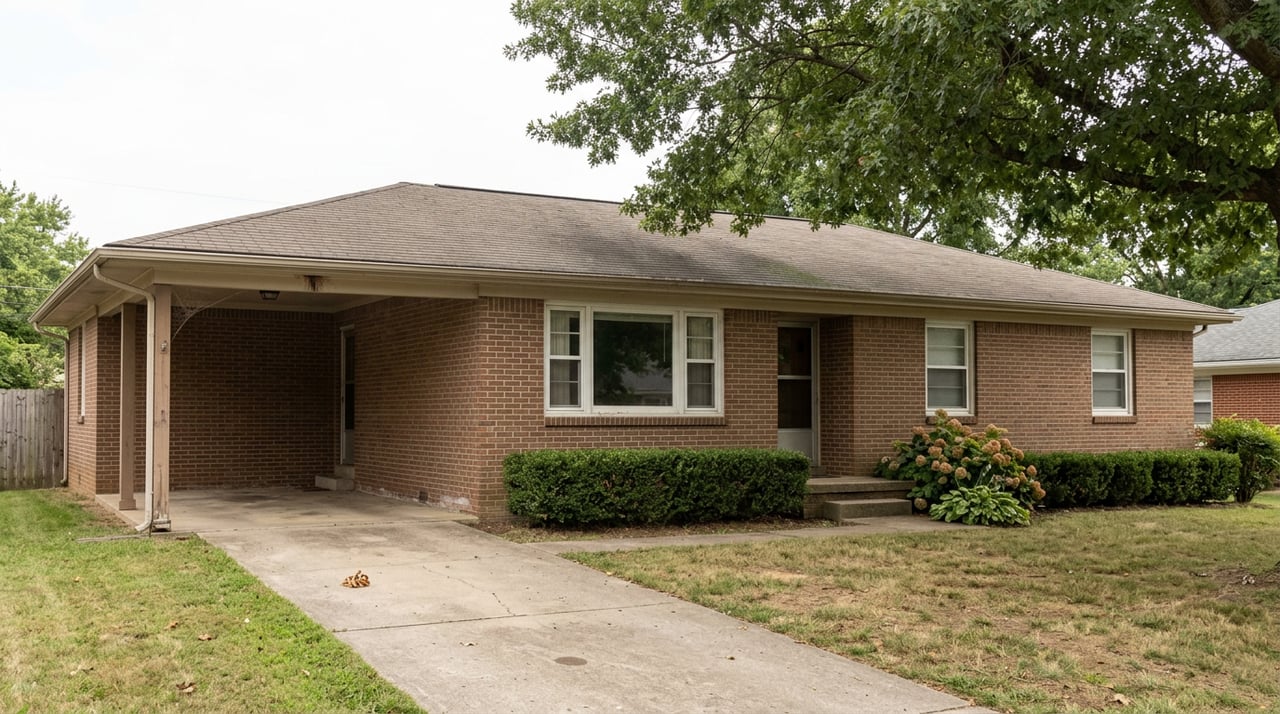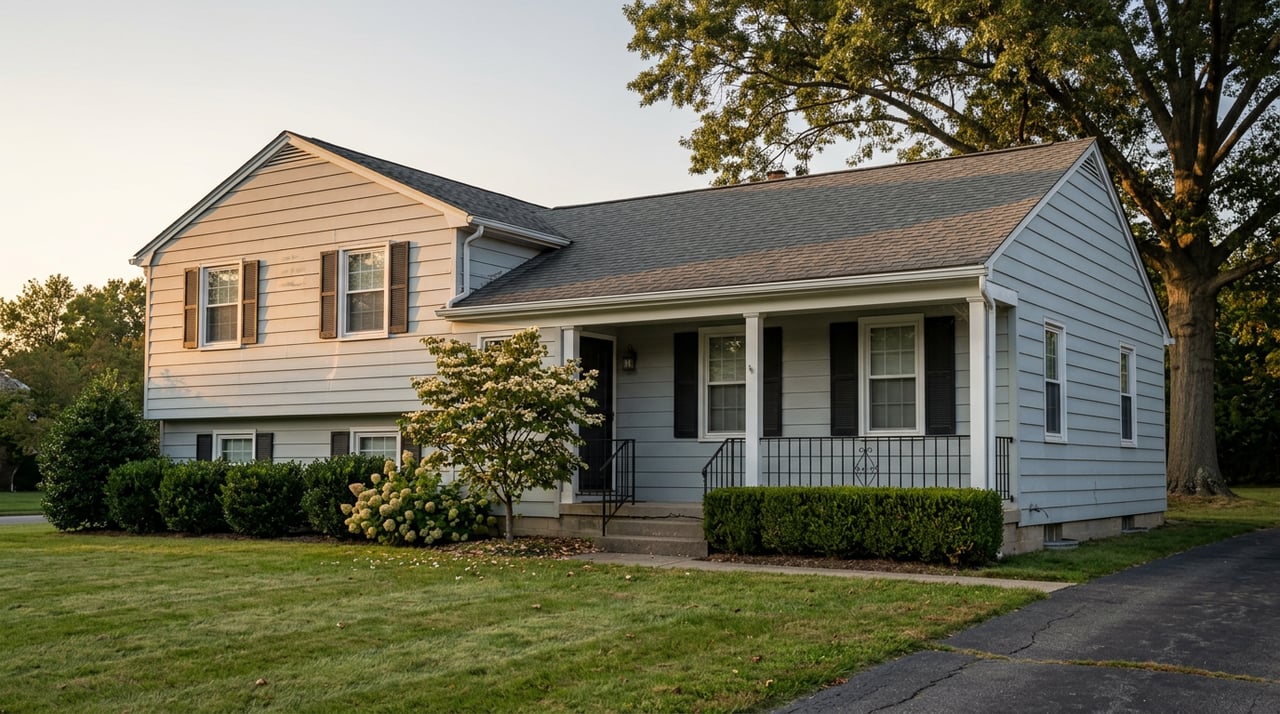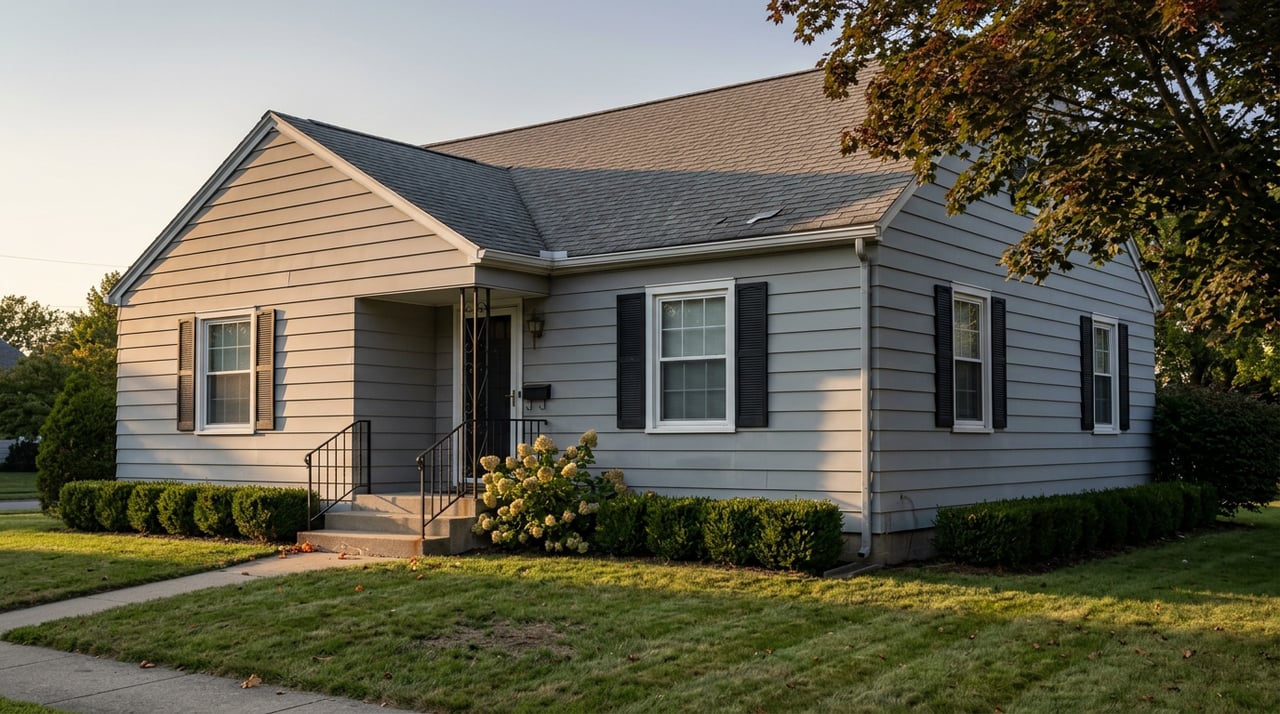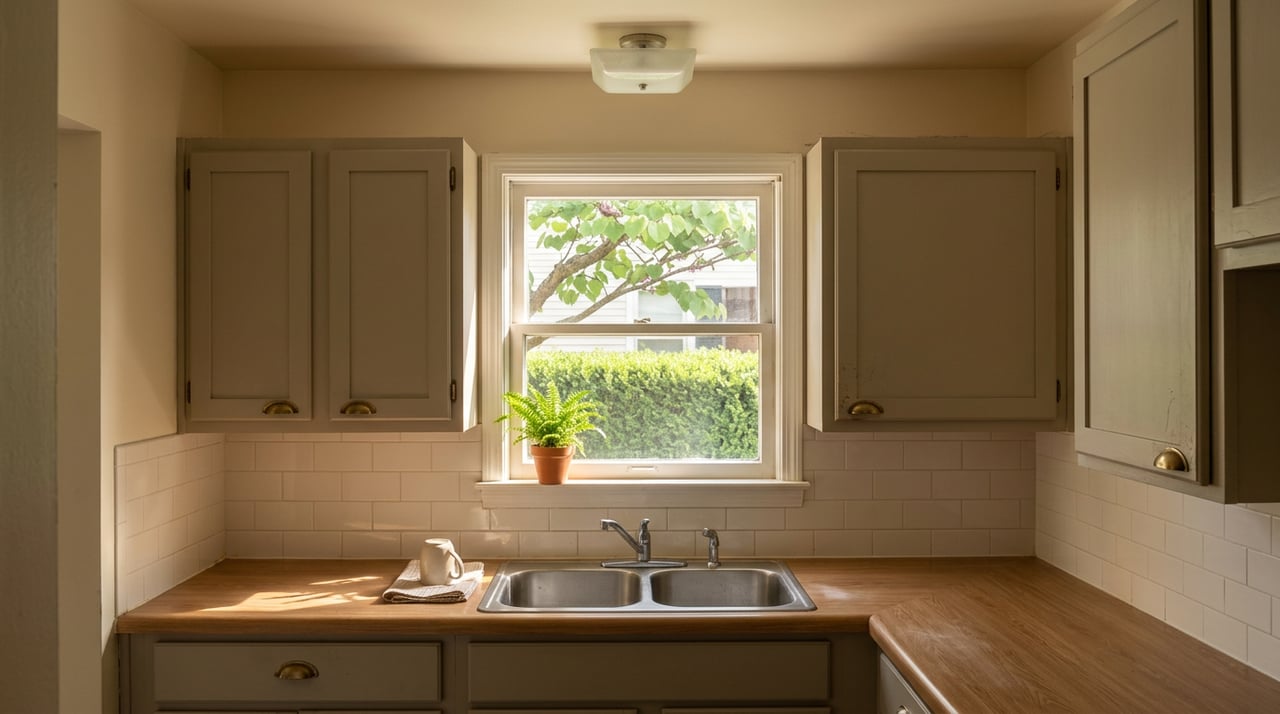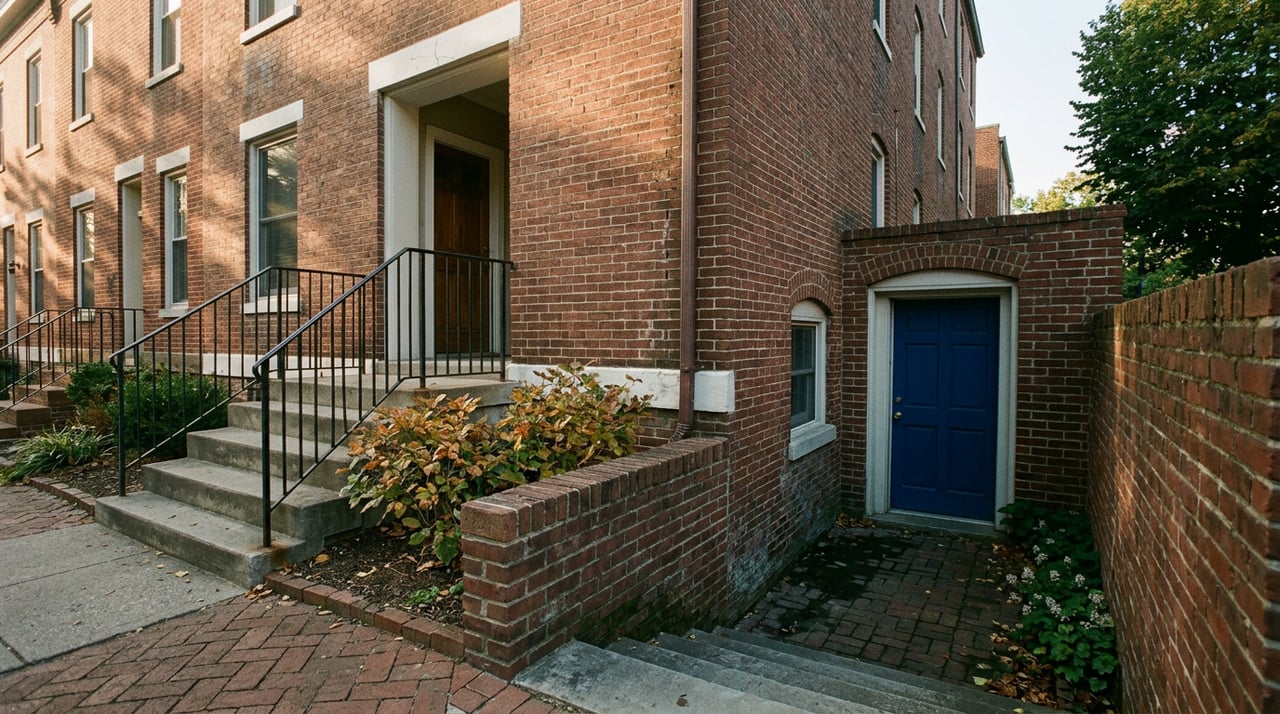
Two rowhouses sit four doors apart on the same Columbia Heights block. Same year built, same three-story brick massing, same finished basement with a kitchenette and a private entrance off the alley. One listing quotes total square footage as a single number, upstairs and downstairs combined. The other breaks it out separately and calls the basement an income unit. A buyer touring both assumes they are looking at comparable value for comparable space.
Then the appraisal comes back. The two houses, nearly identical on paper, land tens of thousands of dollars apart once the appraiser finishes the math. The difference has nothing to do with finishes or paint color. It comes down to a distinction most listing sheets never mention: whether that basement is legally a second dwelling unit or just a nicely finished room that happens to sit below grade.
What the Discount Is Actually Pricing
In the Washington DC market, price per square foot is calculated on above-grade finished space, the floors that sit at or above sidewalk level. Basement square footage still counts toward a home's value, but appraisers typically apply a real discount to it, often landing somewhere between fifty and seventy-five cents on the dollar compared to space upstairs. A basement with the same finishes as the living room above it is still worth meaningfully less per square foot in the eyes of the person signing off on your loan.
That gap is not really about ceiling height or natural light, although both play a role. It is about what the space is legally allowed to be. A finished basement used as a den or guest room is worth one thing. A basement licensed and permitted as a separate rental unit, with its own kitchen, bathroom, and entrance, is worth something closer to what a small second property would be worth on its own, because it can generate income independent of the main house. Columbia Heights has one of the largest concentrations of prewar rowhouses in the district, most built between 1890 and 1920 as three- and four-story buildings with a basement level, which means this exact question comes up on a large share of the listings in the neighborhood.
The Three States of a Columbia Heights Basement
Not every basement is the same product, even when the square footage looks identical on a floor plan. There are effectively three tiers, and they price differently.
| Basement type | Legal rental status | What it typically needs |
|---|---|---|
| Raw or unfinished | Not rentable | Full build-out: egress, plumbing, electrical, permits |
| Finished, unpermitted | Not legally rentable, even if occupied | Permits, inspection, and often physical upgrades to pass |
| Licensed accessory unit | Legally rentable | Nothing further, assuming license stays current |
A house can look identical from the listing photos in any of these three states. The only way to know which one you are buying is to ask directly whether the basement carries a valid business license and a Certificate of Occupancy for rental use, and to have that answer confirmed rather than assumed.
What DCRA Signs Off On Before You Can Call It a Unit
The District's Department of Consumer and Regulatory Affairs does not take a homeowner's word for it. Before a basement can be legally rented as its own unit, it generally has to clear a specific checklist:
- A clear ceiling height of at least seven feet in habitable rooms, a threshold spelled out directly in DC's housing regulations
- A living room of at least 120 square feet and bedrooms of at least 70 square feet
- Two points of egress per unit, typically a front entrance and a compliant rear or window exit that a person can actually climb out of and emergency personnel can climb in through
- A private entrance separate from the unit above, so tenants are not walking through someone else's living space
- One hour of fire separation between the basement unit and the floors above it
- Working smoke and carbon monoxide detectors
Bringing a basement from finished-but-unlicensed up to that standard is not a weekend project. For a typical Columbia Heights or Capitol Hill rowhouse, a full conversion, including a new entrance, kitchen, bathroom, egress windows, an updated electrical panel, and the DCRA permitting itself, tends to run somewhere between $60,000 and $120,000. In exchange, that work typically adds $600 to $800 a month in combined rental income compared to renting the house as a single unit, which works out to a payback period of roughly seven to twelve years on the conversion alone. That is a real number worth running before assuming a basement's rental potential is free money.
Where Columbia Heights Zoning Draws the Line
Most of Columbia Heights sits in DC's R-4 zone, the designation the Office of Zoning uses for moderate-density rowhouse neighborhoods. Under that zoning, splitting a single-family rowhouse into two dwelling units, a main house plus a basement unit, is workable in many cases either by right or through a special exception before the Board of Zoning Adjustment. Going beyond two units in most R-4 lots is a different order of problem entirely. It typically requires either a zone change or a Planned Unit Development process, both of which can take years and are not something to plan a purchase timeline around.
There is a related wrinkle buried in DC's zoning code that trips up even experienced buyers: whether a below-grade level counts as a "basement" or a "cellar" for zoning purposes depends on how far its ceiling sits above the surrounding grade, and that distinction determines whether the space counts against a lot's floor area ratio. A prior zoning dispute in Dupont Circle over exactly this cellar-versus-basement line, covered by Greater Greater Washington, shows how much weight that technical distinction can carry when an owner is trying to figure out what they can legally build or convert.
A Bill That Could Move That Line
There is a legislative development worth watching if you are looking at Columbia Heights specifically for its conversion potential. The DC Council advanced legislation this spring, the so-called One Front Door Act, that would allow single-stair buildings to rise as high as six stories instead of the current three-story cap, opening up narrow infill lots that have long been too tight for conventional double-stair construction. UrbanTurf's coverage specifically names Columbia Heights, Petworth, and Brookland as neighborhoods where this kind of narrow-lot infill has historically stalled out. The bill had advanced but had not become settled law as of this writing, so treat it as a trend to track rather than a rule to plan around today. If it does move forward, it changes the calculus for what a small, oddly shaped Columbia Heights lot can eventually support.
Reading a Listing Like an Appraiser Would
A Columbia Heights rowhouse listed in early August 2026 illustrates what a well-documented basement listing looks like. The listing, covered by PoPville, advertised nearly 2,500 square feet at 3628 New Hampshire Avenue NW and specifically called out a separate basement apartment with a private entrance as a feature, alongside a rare two-car parking pad for the neighborhood. That kind of explicit language, a private entrance named directly rather than implied, is worth more to a serious buyer than a generic "finished basement" line, because it signals the seller understands what actually adds value.
When you are comparing Columbia Heights rowhouses against each other or against houses in other close-in DC neighborhoods, ask these questions before you get attached to a number on a listing sheet: Does the basement have its own Certificate of Occupancy for rental use? Is the current business license active or lapsed? Does the entrance meet the private-access requirement, or does a tenant have to walk through the main unit? If the seller cannot answer clearly, assume you are buying a finished basement, not a licensed unit, and price the difference accordingly. Our Columbia Heights neighborhood page has more on the rowhouse stock in the area if you are weighing it against other parts of the district.
Quick Answers for Columbia Heights Buyers and Owners
Does every basement rental in Columbia Heights need a Certificate of Occupancy? Yes, if it is being rented as a separate unit from the main house. A finished basement used by the homeowner or family members does not need one, but the moment it is rented to a tenant as its own space, DC requires both a business license and a Certificate of Occupancy specific to that use.
Can I count basement square footage toward my offer the same way I count the upstairs? Not the way most lenders and appraisers will. Expect below-grade finished space to be valued at a discount relative to above-grade space, closer to fifty to seventy-five cents on the dollar, regardless of how nicely it is finished.
What if I buy a house where the basement is already rented but I cannot confirm it is licensed? Treat it as an unlicensed unit until you can verify otherwise directly with DCRA. An occupied but unlicensed rental creates real exposure, since unpermitted work discovered during a future sale, refinance, or inspection can require the improvements to be removed rather than simply fined.
Columbia Heights rewards buyers who understand this two-tier system before they write an offer, and it can quietly cost sellers who list a basement without doing the paperwork to prove what it actually is. If you are weighing a rowhouse purchase here, sorting out whether a basement is finished space or a real second unit, or trying to figure out what your own basement is actually worth before you list, Anthony Beharry has spent two decades working through exactly this kind of property-level detail across Prince George's County, Montgomery County, and the District. Start with a home valuation or reach out directly to talk through the numbers on a specific address. Let's Connect.